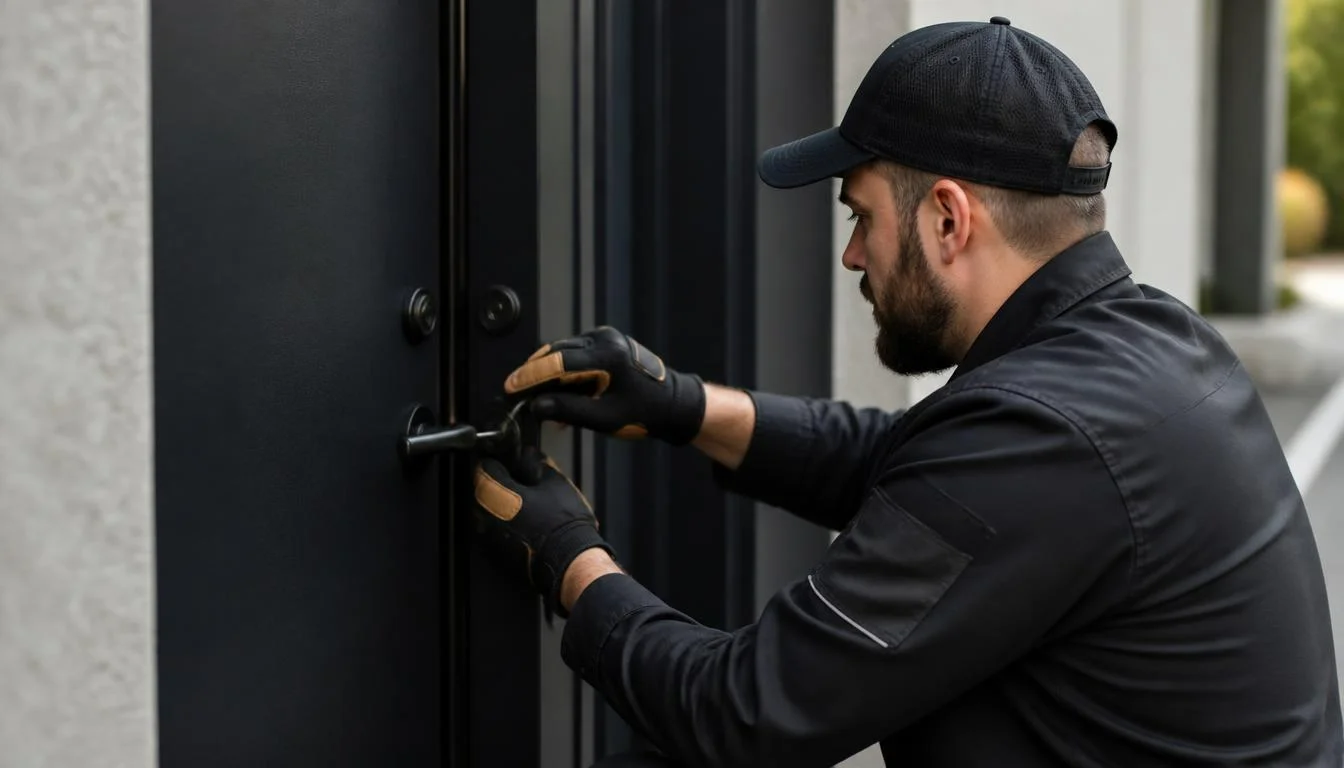
Being locked out of your home, vehicle, office, or commercial property can turn a normal day into a stressful interruption. A door might close before you grab your keys, a remote can stop working, or a key snaps off inside the lock at the worst possible moment. In these situations, organized support can help you get back in while protecting the surrounding property. Professional emergency service focuses on responding calmly, verifying authorization, understanding the circumstances, and choosing a practical solution that matches the type of entry involved.
Every lockout is different. A homeowner might be waiting outside with kids, a driver might be rushing to an important appointment, or a business owner might be unable to open the doors for staff and customers. The most useful response combines timely communication with careful technical work. You should get a clear arrival estimate, straightforward information about the process, and an explanation of any available options before work begins. A skilled technician uses the right tools and avoids unnecessary force, which helps reduce the risk of damage to doors, frames, vehicles, windows, or hardware.
Emergency access service shouldn’t feel rushed or careless. It should provide reassurance while solving the immediate problem responsibly. Once you’re back inside, the technician can test the lock, key, remote, or entry system and let you know about repairs or security improvements that might prevent another interruption. With respectful conduct, transparent service, and practical know-how, an unexpected lockout can become a manageable situation with a reliable outcome.
Immediate Help for Home Lockouts
A residential lockout can happen when a door closes behind you, a key gets misplaced, or an interior mechanism fails out of nowhere. The situation can feel especially urgent during bad weather, late hours, or when children, pets, or essential medication are inside. Professional help starts with gathering accurate details about the property and confirming that the person requesting entry is authorized. This security step protects the homeowner and ensures the service follows a responsible process.
Once the situation is clear, a technician can figure out the least disruptive way to restore access. In many cases, careful entry is possible without replacing the lock or damaging the door. If a key has broken, the technician may remove the fragment and check whether the cylinder is still usable. If the lock itself has failed, repair or replacement may be recommended after you’re back inside. You should get a clear explanation of the available solution and any factors that may affect the work.
Respect for the home is essential during an emergency appointment. Technicians should use suitable tools, protect nearby surfaces, and keep the work area orderly. After entry, the lock and door should be tested to confirm proper operation. If you’re concerned that a missing key could be found and used, rekeying or replacement may provide extra peace of mind.
Simple preparation can reduce future stress. Residents can keep a spare with a trusted person, check that older locks operate smoothly, and set up a plan for urgent access. When professional help is needed, clear communication and careful workmanship help families get back inside with confidence.
Vehicle Lockout Help for Drivers
A locked vehicle can leave you stranded in a parking lot, outside a workplace, near a shopping center, or beside a busy road. The problem might involve keys locked inside, a broken key, a dead remote battery, or a malfunctioning lock. Because modern vehicles use different security systems, the right response depends on the make, model, year, and type of key. Professional automotive technicians assess these details before choosing a safe method of entry.
Authorization and vehicle verification are important parts of the process. You may need to provide identification, vehicle information, or ownership documentation. These safeguards protect the owner and help the technician prepare for the correct system. A careful professional works around windows, weather seals, paint, trim, airbags, and electronic controls without using unnecessary force. Restoring access shouldn’t create a second problem through avoidable damage.
After the vehicle is open, the technician can determine whether the key, remote, ignition, or lock needs additional attention. A replacement key, remote programming, or battery change may be useful if the original issue could happen again. You can also ask about getting a spare and storing it securely. Fleet managers may benefit from documented key procedures and emergency contacts for company vehicles.
Drivers can reduce future risk by checking remote batteries, keeping a spare key in a secure location, and avoiding damaged or heavily worn keys. Even with good preparation, unexpected lockouts happen. A professional response provides a calm path back to the road while respecting the vehicle and your schedule.
Commercial Access During Business Hours
A lockout can affect an entire workplace when an owner, manager, or authorized employee can’t get into the building. Staff may be waiting outside, deliveries may be delayed, and customers may get a poor first impression if opening is postponed. Commercial emergency support should therefore combine prompt communication with an understanding of business priorities. The technician needs accurate information about the property, the affected entry, and the person authorized to request access.
Commercial doors may use heavy-duty cylinders, panic hardware, access control devices, keypad systems, or master key arrangements. The method used to restore entry must respect the building’s hardware and the organization’s security structure. A technician should explain whether the immediate solution is non-destructive entry, a repair, a rekey, or a component replacement. If a missing key or compromised credential caused the situation, the business may also need a broader access review.
Work should be organized to minimize disruption. A professional keeps tools and materials controlled, protects the entrance, and communicates about expected timing. Once access is restored, the door should be tested under normal operating conditions. If the problem involves a closer, latch, strike area, or electronic component, addressing the underlying issue can help prevent another interruption later in the day.
Businesses can prepare by maintaining an updated list of authorized contacts, recording key assignments, and arranging a secure backup method for critical entrances. Regular maintenance also helps identify doors that stick, fail to latch, or require excessive force. Reliable emergency help protects operations while supporting a safer, more dependable workplace.
Protecting Doors and Hardware During Entry
The urgency of a lockout should never remove the need for careful technique. Doors, frames, vehicles, and locking components can be expensive to repair, and rough handling may create damage that wasn’t there before the appointment. Professional technicians assess the entry and choose tools suited to the hardware. Their aim is to restore access efficiently while preserving the property as much as possible.
A careful approach is especially important with painted doors, glass panels, weather seals, electronic locks, and modern vehicle systems. The technician should avoid unnecessary drilling, force, or component removal when a less disruptive method is available. If damage or failure makes a non-destructive solution impossible, you should be informed before additional work is performed. Clear communication lets you understand the situation and approve the most practical option.
After entry, the entire system should be evaluated rather than simply closed and left untested. The technician can check the latch, strike alignment, cylinder, handle, remote, or access device and identify anything that might cause another failure. A temporary opening solution may not be enough if the original hardware is worn or broken. Repair or replacement can be scheduled immediately when appropriate, or you can receive a clear recommendation for follow-up work.
Protective workmanship saves time and money in the long run. It also reflects respect for your home, vehicle, or business. Emergency service should leave the property secure, functional, and as close as possible to its original condition.
Clear Communication in a Stressful Moment
People dealing with a lockout may be anxious, hurried, or unsure what to do next. A calm representative can make the situation easier by asking focused questions and providing practical guidance. Useful details include the exact location, type of property, condition of the key or lock, presence of children or vulnerable people, and any immediate safety concern. This information helps determine the right response and lets the technician arrive better prepared.
You should get realistic information about arrival timing and the general service process. Although the final solution may depend on an on-site inspection, early transparency supports informed decisions. A reputable provider avoids exaggerated promises and explains any additional factors before proceeding. Verification of identity and authorization should be presented respectfully as a standard protection for you and the property.
At the location, the technician should review the findings, outline the available options, and answer questions in plain language. You may prefer the fastest access, the least disruptive method, a repair, or a long-term security upgrade. Professional service considers those priorities while maintaining responsible standards. After completing the work, the technician should demonstrate the system and confirm that you can operate it correctly.
Receipts, service details, warranty information, and maintenance advice are useful after an emergency appointment. They provide a record of what was done and help guide future decisions. Thoughtful communication does more than reduce confusion. It creates confidence that you’re receiving careful, accountable, and respectful support.
Preparing for Future Access Emergencies
A lockout is easier to handle when a basic plan already exists. Homeowners can keep a spare key with a trusted person, choose a secure backup location, and review the condition of frequently used locks. Drivers can arrange a spare key before an emergency and monitor remote batteries. Businesses can maintain updated access records, designate authorized contacts, and establish procedures for employees who lose keys or credentials.
Regular maintenance can prevent some emergencies altogether. A key that sticks, a door that drags, a remote that responds slowly, or a latch that doesn’t engage should get attention before complete failure. Property owners can ask a technician to review door alignment, strike plates, hinges, cylinders, closers, and electronic components. Addressing small issues early may extend the life of the hardware and reduce the chance of being locked out later.
Security planning should also consider how access changes over time. Rekeying may be appropriate after a move or personnel change, while a keypad or controlled entry system may help manage temporary users. The best option depends on the property, the number of authorized people, the convenience you want, and the maintenance available. Professional advice can help you choose a straightforward solution without unnecessary complexity.
Unexpected access problems can’t always be avoided, but they can be handled more effectively. With reliable emergency support, clear verification, careful entry techniques, and useful follow-up recommendations, you can regain control of the situation. A professional response restores more than access. It provides reassurance, protects the property, and helps create a safer, more dependable routine for the future.