Planning a Reliable Roofing Project
A new roof is one of the most important improvements a property owner can make. It protects the building from rain, wind, sunlight, temperature changes, and everyday wear while contributing to the comfort and appearance of the home. A successful project begins with careful planning rather than simply choosing a material and scheduling a crew. The roof design, local weather, building structure, ventilation, drainage, and long-term maintenance all deserve attention before work begins.
The first step is an assessment of the property. A roofing professional reviews the existing structure, checks the condition of the roof deck, examines the slope, and identifies areas that may require reinforcement. The age of the current roof, signs of moisture, attic conditions, and previous repairs can influence the recommended approach. This inspection helps determine whether a complete replacement is needed or whether the project can focus on a new structure for an addition, extension, garage, or newly built home.
Homeowners should also think about their priorities. Some want a durable roof with minimal maintenance, while others are focused on energy efficiency, appearance, environmental considerations, or a specific budget. Discussing these expectations early allows the contractor to recommend suitable options instead of offering a one-size-fits-all solution. A clear plan reduces delays and makes it easier to compare estimates from different roofing companies.
The project schedule should account for weather and access. Roofing work requires safe, reasonably dry conditions, and the crew needs enough space for materials, equipment, and waste containers. Property owners should receive information about expected noise, daily progress, driveway access, landscaping protection, and the final cleanup. Good communication creates a smoother experience and helps everyone understand what will happen at each stage.
Choosing the Right Roofing Material
Roofing materials affect durability, appearance, maintenance, and cost. Asphalt shingles remain popular because they are available in many colors and styles, offer practical performance, and work with a wide range of residential designs. Architectural shingles can create a dimensional appearance, while basic options may be suitable for projects with tighter budgets. The correct choice depends on the roof slope, local conditions, ventilation, and the manufacturer’s installation requirements.
Metal roofing offers another durable option. Standing seam panels and metal shingles can provide a clean, contemporary appearance while resisting many common weather challenges. Metal roofs are available in different finishes and colors, and some systems are designed to reflect more solar heat. Their performance depends on correct fastening, flashing, expansion allowances, and compatibility with the underlying structure.
Tile, slate, and other premium materials can give a property a distinctive appearance and a long service life. However, they may require additional structural support because of their weight. Installation methods are also more specialized, which makes the experience of the contractor especially important. Homeowners should confirm that the building can safely support the selected material before making a final decision.
The best material is not always the most expensive one. A professional evaluates the property, local climate, roof design, expected service life, and available maintenance budget. Samples can help homeowners compare colors in natural light, while photographs of completed projects provide useful inspiration. Choosing a material that complements the architecture can improve curb appeal and create a more consistent exterior design.
Preparing the Roof Structure
The visible roofing material is only one part of a complete roofing system. Beneath it, the roof deck must provide a stable and secure surface. During preparation, damaged wood, soft areas, loose fasteners, and signs of moisture should be identified. Replacing compromised sections before the new material is installed helps create a stronger foundation and reduces the risk of future problems.
Underlayment provides an additional layer of protection beneath the roof covering. Depending on the design and local requirements, the contractor may use synthetic underlayment, specialized membrane, or another approved product. This layer helps manage moisture and supports the overall weather resistance of the system. It should be installed according to manufacturer instructions, with careful attention around valleys, edges, and penetrations.
Flashing is equally important. Chimneys, skylights, walls, vents, and roof intersections can become vulnerable areas if they are not sealed correctly. Proper flashing directs water away from joints and prevents it from entering the structure. A professional checks existing flashing during the project and replaces components that are corroded, damaged, or incompatible with the new roof.
Ventilation should also be reviewed. A balanced system allows air to move through the attic, helping manage heat and moisture. Poor ventilation can contribute to condensation, premature material deterioration, and higher cooling demands during warm weather. Intake and exhaust openings must work together, and insulation should not block the intended airflow. Addressing these details improves the performance of the entire roof rather than focusing only on its surface.
Installation Techniques and Worksite Safety
Once the structure is ready, the roofing crew follows a planned installation sequence. Materials are placed where they can be accessed without putting unnecessary pressure on the roof or damaging the property. The crew installs edges, underlayment, flashing, vents, and the chosen roof covering according to the system specifications. Consistent spacing, secure fastening, and clean transitions are essential to a professional result.
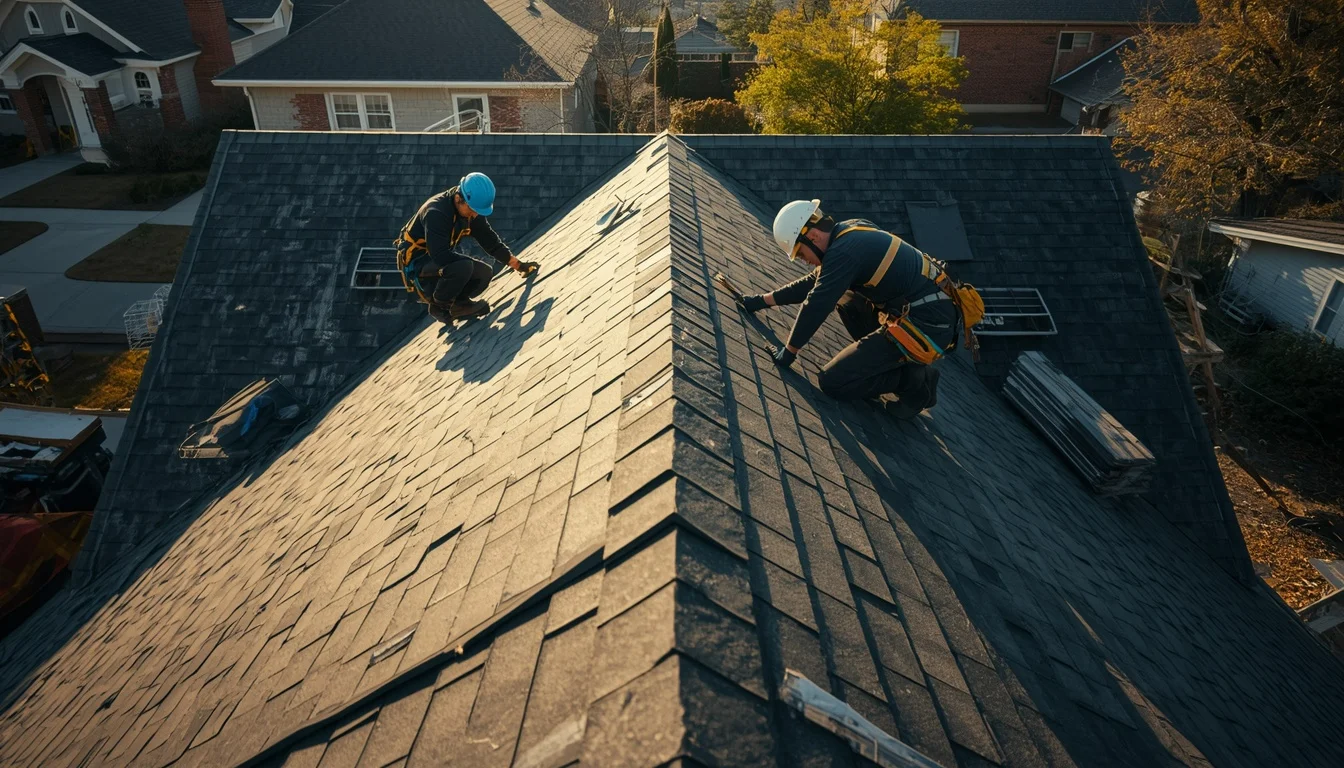
Safety is a central part of the work. Roofing professionals use appropriate fall protection, ladders, scaffolding, footwear, and material-handling practices. Homeowners should keep children and pets away from the work area and follow the contractor’s instructions regarding access. Tools and materials can fall unexpectedly, so a clearly defined work zone protects residents, visitors, and the crew.
Weather conditions may require adjustments. Strong wind, rain, extreme heat, or sudden storms can affect the safety of workers and the protection of exposed areas. A responsible contractor monitors the forecast and pauses work when conditions are unsafe. Temporary coverings may be used to protect the structure if the roof cannot be completed in one day.
A clean worksite reflects careful workmanship. Crews should manage packaging, removed materials, nails, and debris throughout the project rather than leaving everything until the final hour. Protecting gardens, driveways, windows, siding, and outdoor equipment also matters. At the end, the contractor should inspect the property, remove waste, and complete a careful ground-level cleanup.
Improving Energy Efficiency and Comfort
A well-installed roof can contribute to indoor comfort throughout the year. The roofing system works together with insulation, ventilation, air sealing, windows, and the heating or cooling equipment. Reflective materials and appropriate ventilation may help reduce heat buildup in the attic during warm weather. In colder conditions, adequate insulation and moisture control support more stable indoor temperatures.
Homeowners should discuss energy goals with the roofing professional before selecting materials. Some products are designed to reflect more sunlight, while others provide improved durability in particular climates. The roof color can also affect heat absorption, although its impact depends on insulation, ventilation, building orientation, and local weather.
Attic insulation should be inspected as part of a broader project. A new roof cannot correct every comfort problem if heat escapes through the ceiling or if air leaks remain untreated. The contractor may recommend coordinating roofing work with an insulation or ventilation assessment. Completing related improvements at the right time can prevent the need to reopen finished areas later.
Energy performance should be considered alongside durability and appearance. A material that performs well in one region may not be the best choice elsewhere. Professional guidance helps property owners balance initial cost, service life, maintenance, weather resistance, and potential energy benefits. The result is a roof that supports the building rather than functioning as an isolated exterior feature.
Selecting a Roofing Professional
The contractor has a major influence on the quality and longevity of the project. Look for a company with relevant experience, clear communication, appropriate insurance, and a history of completed work. Ask whether the crew is familiar with the selected roofing material and whether the proposed system follows manufacturer requirements and local building standards.
A detailed estimate should identify the materials, labor, preparation, flashing, ventilation work, disposal, permits, warranty information, and payment schedule. It should also explain what happens if hidden damage is discovered after the existing covering is removed. A transparent proposal makes it easier to compare companies and reduces confusion once work begins.
References and recent project photographs can provide helpful context. Ask about similar roofs, the expected timeline, the number of workers, and the company’s process for handling changes or weather delays. The lowest estimate is not always the best value if it excludes important preparation or uses unsuitable materials. A reliable contractor explains both the benefits and limitations of the recommended system.
This type of roofing project can give a property dependable protection, improved appearance, and greater everyday comfort when it is planned and completed carefully. By assessing the structure, selecting suitable materials, protecting vulnerable areas, maintaining ventilation, and working with an experienced professional, property owners can make a confident investment. Clear communication and thoughtful preparation help ensure that the finished roof performs well for many years.