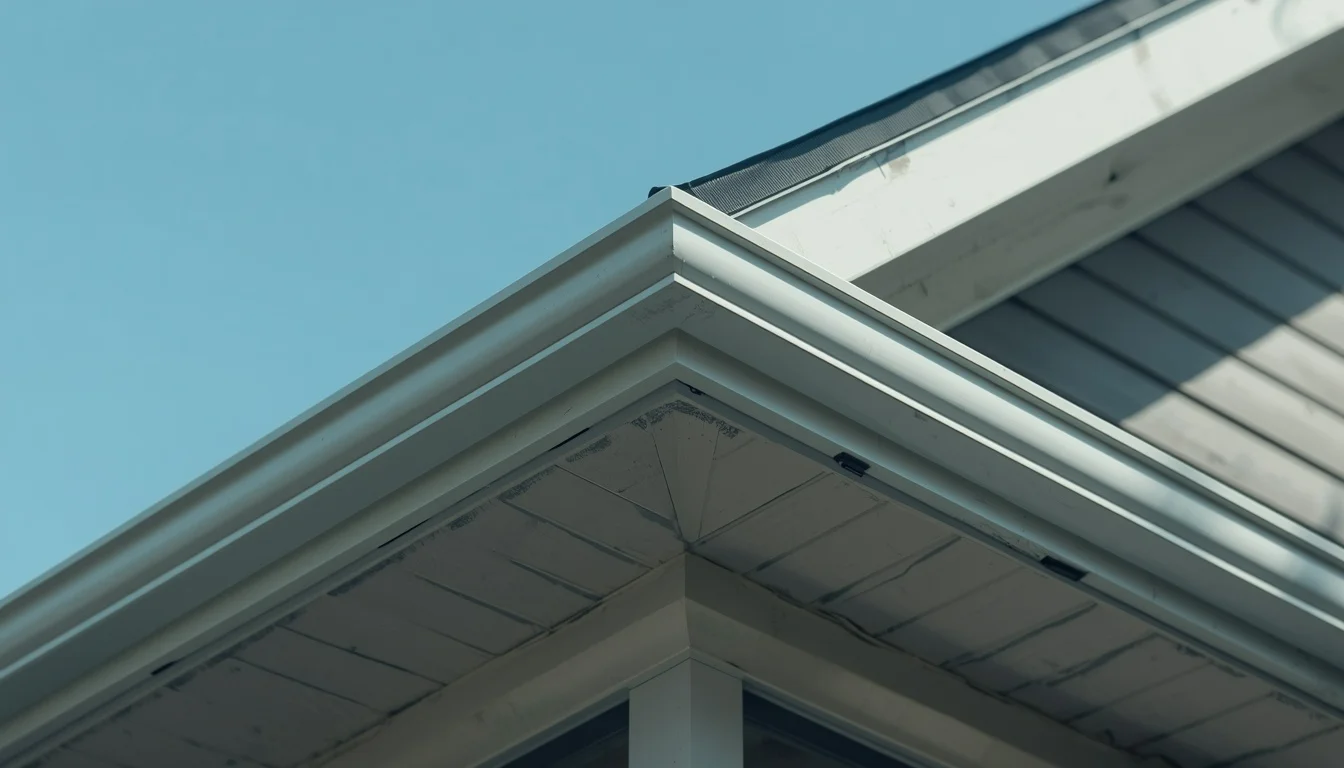
Protecting the Edges of Your Home
The roofline plays an important role in protecting a property from weather, pests, and moisture. Soffits help provide airflow beneath the eaves, while fascia boards support gutters and create a finished transition between the roof and exterior walls. When these components become cracked, loose, stained, or decayed, the problem can affect more than appearance. Water may reach the roof structure, pests may enter the attic, and ventilation may become less effective.
A professional assessment helps determine whether the issue is limited to a small section or connected to a wider roofing or drainage concern. Wind, rain, ice, poor ventilation, overflowing gutters, and long-term exposure can all contribute to deterioration. The repair strategy should address the cause as well as the visible damage. Replacing one board without correcting a leak or blocked gutter may only provide a temporary result.
Property owners may first notice peeling paint, sagging gutters, dark marks, holes, soft wood, or panels that have separated from the roof edge. Sometimes the first clue appears indoors as a musty attic odor or evidence of insects and small animals. These signs should be evaluated before the damage spreads. Prompt attention can protect surrounding materials and reduce the scope of future work.
The project should also consider the style and construction of the property. Wood, aluminum, vinyl, and composite products have different repair methods and finishes. A replacement section should match the existing roofline as closely as possible in profile, color, and texture. Good preparation creates a result that is functional, durable, and visually consistent with the rest of the exterior.
Recognizing Common Damage
Moisture is one of the most frequent causes of deterioration along the eaves. Gutters that overflow or pull away from the fascia can allow water to run behind the boards. Missing roof shingles, damaged flashing, and poorly sealed penetrations may direct water toward the edge rather than into the drainage system. Stains, swelling, soft spots, and peeling coatings can indicate that moisture has been present for some time.
Wooden components may rot when they remain damp or are not properly protected. Rot can begin in a small area and spread beneath paint or trim. Pressing on a board may reveal softness, but property owners should avoid removing material without understanding what supports the gutter or roof edge. A professional can determine whether the board, adjacent framing, or fasteners need replacement.
Cracks and holes in soffit panels can reduce protection and ventilation. Small openings may allow birds, rodents, wasps, or other pests to enter the attic. Damaged vents can also permit insects and wind-driven rain inside. Even if a panel appears mostly intact, loose edges or missing screens should be corrected so the system continues to function as intended.
Wind and impact can loosen panels, pull out fasteners, or bend metal sections. Tree branches, ladders, and exterior work may cause localized damage. Sagging along the roofline can result from damaged fascia, failed fasteners, gutter weight, or underlying structural movement. The appearance of the symptom does not always reveal the source, which is why a full inspection of the affected area is useful.
Understanding Soffit and Fascia Materials
Wood remains a popular choice for traditional homes because it can be shaped, painted, and matched to existing trim. It requires regular attention to coatings, joints, and moisture exposure. When wood is repaired, the replacement should be properly primed and sealed, with special care around end cuts and areas where water could collect.
Aluminum is valued for its resistance to rot and its availability in many colors. It can be formed around roof edges and often requires less painting than wood. However, it may dent, bend, or loosen after impact. Repairs should use compatible fasteners and avoid creating sharp edges or openings that could allow water or pests to enter.
Vinyl soffit is commonly used because it is lightweight and available in vented and solid profiles. It does not rot, but it can crack in cold conditions, distort under excessive heat, or become loose when fasteners are installed too tightly. Panels need room for normal movement and should be installed according to the product specifications.
Composite and engineered materials can offer a balance of appearance and resistance. Their performance depends on proper installation, edge protection, and compatibility with the surrounding roofline. The best replacement material is usually one that matches the existing system and the property’s exposure rather than one selected solely for its advertised features.
Repair Process and Ventilation
The repair begins with an inspection of the roof edge, gutters, fascia, soffit, flashing, and nearby roof covering. The contractor identifies active leaks, blocked drainage, loose panels, damaged framing, pest entry points, and ventilation concerns. Photographs and a written explanation can help the property owner understand which components need attention and why.
Damaged sections are removed carefully to avoid disturbing sound materials. If rot extends behind the visible trim, additional wood or framing may need to be replaced. The work area is prepared before new pieces are installed. This may include cleaning, drying, treating affected wood, adjusting gutter supports, or correcting a source of water entry.
Soffit ventilation should remain open and protected. Vented panels, intake strips, and screens must provide airflow without leaving large openings for pests. Insulation in the attic should not block the intended intake path. If roof ventilation is unbalanced, the contractor may recommend baffles or other improvements as part of a broader roofline solution.
New fascia and soffit sections are cut, fitted, fastened, and sealed with care. Joints should be aligned, corners finished, and transitions protected from water. The gutter system is then reattached securely with the correct slope and support. A final inspection checks the appearance, drainage path, ventilation openings, and stability of the completed work.
Improving Drainage and Exterior Protection
Fascia and gutters work together to move water away from the roof and walls. If gutters are clogged with leaves or sediment, water can overflow over the fascia. If they are undersized, poorly pitched, or separated at the joints, even clean gutters may not perform correctly. Repairing the roofline should include a review of the drainage system rather than treating the trim as an isolated feature.
Downspouts should direct water away from the foundation and discharge it in a suitable location. Extensions, splash blocks, or drainage connections may be necessary depending on the property. Water that remains close to the wall can contribute to dampness, erosion, and repeated damage near the lower portions of the building.
Trees should be trimmed when branches rub against the roof or deposit excessive debris into the gutters. Keeping leaves away from the eaves reduces blockages and allows the owner to notice developing damage sooner. Gutter guards may help in some situations, but they still require inspection and cleaning. No accessory eliminates the need for regular maintenance.
Exterior coatings also affect service life. Painted wood must be maintained before moisture reaches exposed fibers, while metal and composite surfaces should be checked for scratches, corrosion, or failed sealant. The contractor can recommend a maintenance schedule based on the material, local climate, roof design, and amount of tree cover around the property.
Choosing a Reliable Repair Professional
Look for a contractor with experience in roofing edges, gutters, ventilation, and the materials installed on your property. Ask whether the assessment will include the cause of the damage, not just the visibly affected panel. A qualified professional should explain whether repair, partial replacement, or a larger roofing project is appropriate.
The estimate should identify preparation, removal, replacement materials, fasteners, sealants, gutter work, disposal, cleanup, and warranty information. If hidden rot or structural damage may be found after removal, ask how additional work will be documented and approved. A clear process helps prevent unexpected decisions during the project.
References, recent photographs, insurance, and applicable credentials can provide additional reassurance. Be cautious of a contractor who recommends replacing the entire roof without explaining the relationship between the observed problem and the proposed scope. A dependable professional communicates clearly, protects the property during work, and leaves the area clean.
This type of roofline work can improve the appearance of a home while protecting the roof edge, attic, gutters, and exterior walls. By identifying moisture sources, restoring damaged materials, preserving ventilation, and improving drainage, property owners can create a more durable roofline. Working with an experienced contractor and addressing small signs early can help prevent broader damage and support the long-term condition of the property.