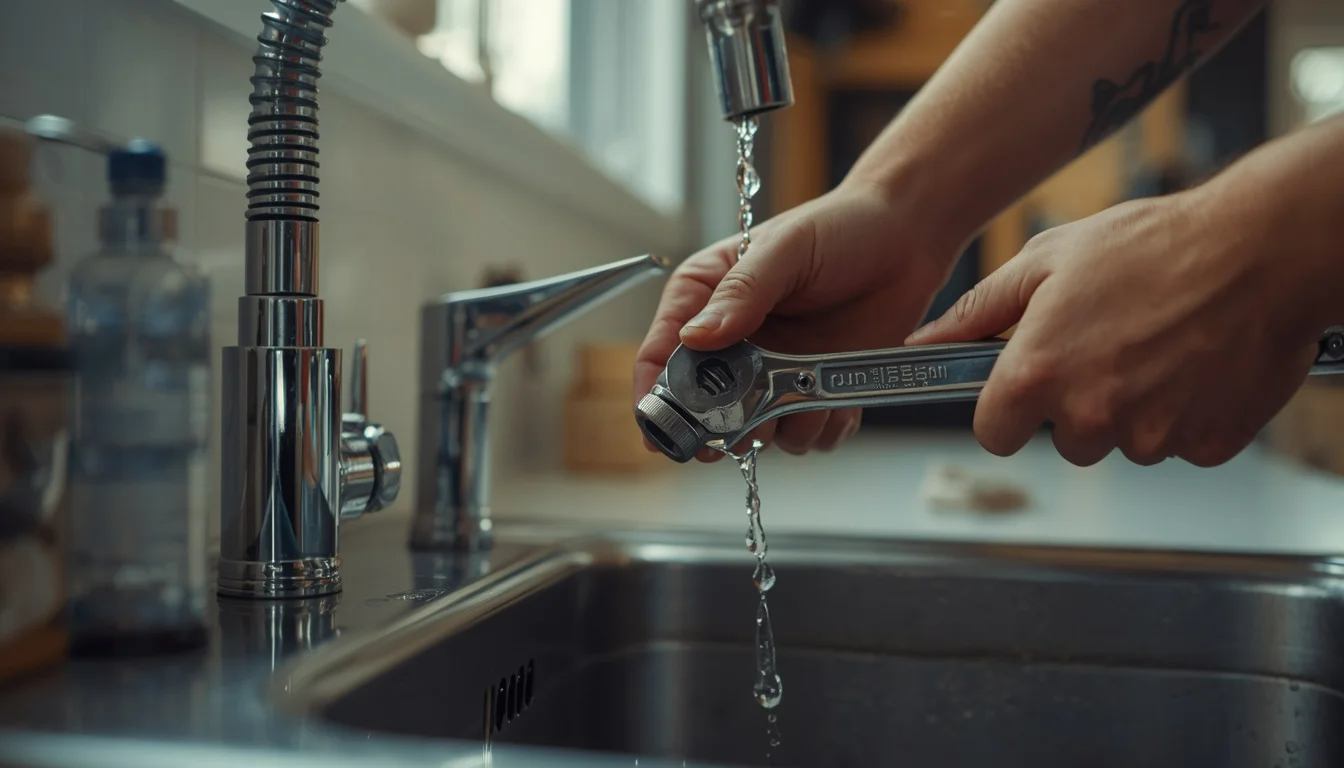
Planning a Faucet Upgrade
A faucet is used many times every day, so its design, performance, and installation quality have a direct effect on comfort. Replacing an old fixture can improve the appearance of a kitchen, bathroom, laundry room, or utility area while reducing drips, uneven flow, and difficult operation. A professional installation also helps ensure that the new faucet is compatible with the sink, countertop, water connections, and available space.
The project begins with an assessment of the existing setup. The plumber checks the number and spacing of mounting holes, the condition of the supply lines, the shutoff valves, the sink or countertop thickness, and the clearance behind and beneath the fixture. These details determine which models can be installed without major alterations. They also reveal whether older valves or corroded connections should be replaced at the same time.
Homeowners should consider how the faucet will be used. A kitchen may benefit from a pull-down spray, a high-arc spout, or a convenient swivel range. A bathroom may require a compact design that fits the basin and backsplash. A laundry or utility sink might need a stronger, more flexible fixture. Choosing based on the room’s daily needs leads to a more satisfying result than selecting a model solely because of its appearance.
The installation should be planned alongside other work. A new sink, countertop, water filter, garbage disposal, soap dispenser, or backsplash can affect the faucet position and connection route. If the project is part of a renovation, coordinating the plumbing before surfaces are sealed reduces the risk of repeated work. Clear planning creates a smoother installation and protects the finished area.
Selecting the Right Faucet
Faucets are available in different mounting configurations. Single-hole models provide a clean appearance and combine controls into one base. Centerset and widespread bathroom faucets use separate holes with different spacing requirements. Wall-mounted fixtures require connections inside the wall and careful positioning above the basin or tub. The existing sink and countertop determine which options are practical.
The material and finish influence durability and maintenance. Stainless steel, chrome, brushed finishes, bronze tones, and matte colors each create a different visual effect. A finish should be selected for both appearance and resistance to fingerprints, mineral deposits, cleaning products, and everyday contact. The plumber can explain how the product is constructed and whether replacement parts are likely to remain available.
Water efficiency is another useful consideration. Low-flow faucets and aerators can reduce water use while maintaining a comfortable stream. A water-saving fixture should still provide suitable performance for the room and the needs of the household. Look for recognized efficiency information and confirm that the faucet is compatible with the property’s water pressure.
Special features may add convenience. Touchless faucets use sensors, while touch-activated models respond to contact with the fixture. Filtered-water taps, pot fillers, and commercial-style kitchen faucets serve more specific purposes. Smart functions can be useful, but they also introduce batteries, electronics, and additional maintenance. The best choice is one that delivers meaningful value without unnecessary complexity.
Preparing Connections and the Mounting Area
Before removing the old fixture, the water supply should be shut off and the lines drained. The plumber protects the cabinet, countertop, and flooring from residual water. Old mounting hardware may be corroded or difficult to release, particularly beneath a sink where moisture has been present for years. Careful removal helps prevent damage to the basin, worktop, and surrounding finishes.
The mounting surface must be clean and stable. Mineral deposits, old sealant, rust, and debris are removed so the new base can sit evenly. If the sink or countertop has cracks, excessive flex, or an unsuitable opening, the issue should be addressed before installation. A faucet that is secured to a weak surface may move, leak, or damage the surrounding area.
Supply lines and shutoff valves are inspected before they are connected. Flexible hoses may need to be replaced if they are worn, kinked, or incompatible with the new fixture. Old valves that do not close properly can make future maintenance difficult. Updating these small components during installation can provide greater reliability and easier access later.
The drain assembly, sprayer hose, filter connection, or soap dispenser may also require attention. Under-sink space can become crowded quickly, so the layout should be planned before final tightening. The plumber leaves enough room for future servicing and ensures that hoses do not rub against sharp edges or become trapped behind drawers.
Installation and Leak Testing
Once the preparation is complete, the faucet is positioned according to the manufacturer’s instructions and the room’s intended use. The mounting hardware is tightened securely, but excessive force is avoided because it can damage the fixture, sink, or countertop. A suitable gasket or seal is used where required, and the faucet is aligned so the spout reaches the correct area of the basin.
Supply connections are attached with compatible fittings and checked for secure seating. Hot and cold lines must be connected correctly, especially with single-handle faucets where the controls may feel different from the previous model. The plumber also checks the rotation range, hose movement, spray head return, and clearance from walls, windows, backsplashes, and nearby objects.
Testing takes place slowly and carefully. The water is turned on gradually while each connection is observed. The faucet is operated at different flow levels, the spray function is tested, and the area beneath the sink is inspected for drops or moisture. The plumber may wipe the fittings dry and observe them again after a short period to confirm that connections remain secure.
The final checks include water pressure, temperature control, drainage, handle movement, and stability. A faucet should not rock when used, and the spout should direct water into the intended part of the basin. The homeowner receives information about cleaning, filter replacement, aerator maintenance, shutoff valves, and warranty documentation.
Addressing Common Faucet Problems
A dripping faucet may result from a worn cartridge, valve, washer, seal, or connection. Replacing the entire fixture is not always necessary, but an inspection can determine whether repair or replacement is more practical. If the faucet is old, corroded, or difficult to find parts for, installing a new model may provide better long-term value.
Low flow can be caused by a clogged aerator, blocked supply line, partially closed shutoff valve, pressure issue, or mineral buildup. The plumber checks these possibilities instead of assuming the faucet itself has failed. Cleaning or replacing a small component may restore performance without requiring a larger project.
Leaks beneath the sink should be addressed promptly. Water can damage cabinet bases, flooring, stored belongings, and nearby walls. A leak may come from the supply line, mounting area, hose connection, drain assembly, or another plumbing component. Drying the area and identifying the source early can reduce the risk of hidden moisture damage.
Loose handles, stiff movement, unusual noise, and water spraying outside the basin can also indicate a problem. Avoid forcing a difficult control or applying unsuitable products. If the fixture continues to operate poorly after basic cleaning, a qualified plumber can diagnose the issue and recommend a durable solution.
Choosing a Qualified Plumbing Professional
Look for a plumber with experience installing the type of faucet and fixture you have selected. A kitchen pull-down faucet, wall-mounted bathroom model, commercial-style fixture, and touchless product may each require different techniques. Ask whether the professional will inspect the supply valves, mounting surface, water pressure, and surrounding plumbing before providing a final recommendation.
The estimate should identify the faucet model, removal of the old fixture, replacement hoses or valves, installation, testing, disposal, and any additional preparation. If the sink or countertop may need modification, that possibility should be explained before work begins. A written scope makes the price easier to understand and reduces confusion about what is included.
A dependable plumber protects nearby surfaces, keeps the work area organized, and communicates clearly about timing. They should explain how to use special features and what maintenance is required. References, applicable credentials, insurance, and product knowledge provide additional reassurance when selecting a service provider.
Professional faucet services can improve convenience, appearance, water control, and confidence in a kitchen or bathroom fixture. By selecting a compatible model, preparing the mounting area, updating worn connections, testing every joint, and working with an experienced professional, homeowners can enjoy dependable performance. A carefully installed faucet is a small improvement that can make an important difference in the daily use of the room.