Restoring Smooth Drainage
Slow or blocked drains can interfere with daily routines and often signal a developing plumbing problem. Water that takes longer to disappear, unpleasant odors, gurgling sounds, and repeated backups may indicate buildup inside the waste line. Professional cleaning removes the material restricting flow and helps identify conditions that could cause another blockage. Addressing the issue early can protect fixtures, floors, cabinets, and nearby building materials.
A drain problem does not always originate at the visible sink, shower, or floor opening. Grease, soap residue, hair, food particles, mineral deposits, tree roots, and damaged pipe sections can affect the system at different points. Multiple slow fixtures may indicate a larger branch or main-line concern rather than separate small clogs. A plumber evaluates the symptoms and checks the layout before selecting the most suitable method.
Homeowners should pay attention to how quickly the problem developed. A gradual slowdown may suggest ongoing buildup, while a sudden backup can result from an obstruction, pipe movement, or a damaged section. Note which fixtures are affected, whether the issue appears during laundry or toilet use, and whether unusual sounds come from the pipes. These details help the professional narrow down the likely source.
Some basic steps may provide temporary relief, but repeated use of unsuitable chemicals can damage seals, pipes, fixtures, or the person handling the repair. If water is standing, backing into the property, or spreading near electrical equipment, stop using the affected fixtures and request professional assistance. A careful diagnosis produces a more reliable and safer result.
Common Causes of Clogged Drains
Kitchen drains often collect grease, oil, food particles, coffee grounds, and small scraps that should not enter the waste system. Grease may flow as a liquid when hot but solidify as it cools inside the pipe. Over time, material narrows the passage and catches additional debris. A strainer and proper disposal habits can reduce the amount of buildup reaching the drain.
Bathroom sinks and showers commonly collect hair, soap residue, toothpaste, and personal-care products. These materials can combine into a sticky mass that slows flow. A drain cover helps catch hair before it enters the pipe, while regular cleaning can reduce the accumulation. If the restriction occurs deeper in the line, removing a visible surface layer may not solve the underlying issue.
Toilets should only receive suitable waste and toilet paper. Wipes, paper towels, hygiene products, cotton items, and other materials may swell or fail to break down properly. Even products marketed as flushable can contribute to blockages in some systems. Repeated toilet backups should be investigated rather than treated as an isolated inconvenience.
Outdoor and main lines can be affected by tree roots, soil movement, collapsed pipe sections, and heavy debris. Older pipes may develop rough interiors that collect material more easily. Roots can enter through joints and grow within the line, restricting flow over time. A camera inspection may be useful when the cause is not visible or when blockages return after cleaning.
Professional Cleaning Methods
The appropriate method depends on the location, severity, pipe material, and cause of the obstruction. A plumber may begin with a manual tool or mechanical cable designed to break through and retrieve buildup. The equipment is selected according to the fixture and pipe size so the cleaning process does not create unnecessary damage.
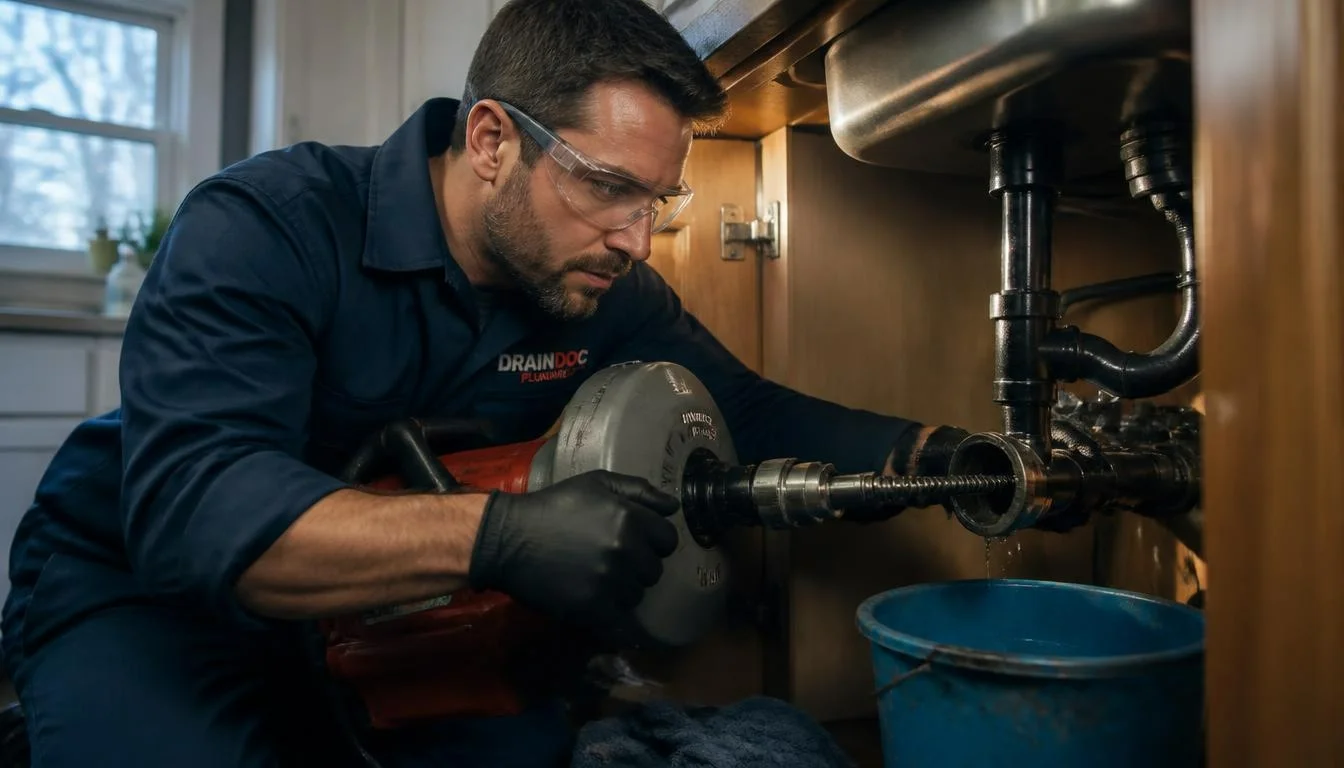
An auger can work well for localized clogs near a sink, bathtub, shower, or toilet. The cable is guided into the line and rotated to open a path through the obstruction. In some cases, material is pulled back for disposal. The plumber then tests the fixture and checks whether water continues to flow as expected.
Hydro jetting uses pressurized water to clean the inner walls of suitable pipes. It can remove grease, sludge, mineral buildup, and some root material more thoroughly than a simple opening tool. Before using this method, the professional should assess the condition of the pipe because a damaged or fragile line may require a different approach.
Camera inspection can show the location and nature of a problem inside the pipe. The plumber may identify cracks, offsets, root intrusion, heavy scale, or a collapsed section. The footage helps determine whether cleaning is likely to provide a lasting improvement or whether repair and replacement should be considered. This prevents repeated service calls for the same underlying issue.
Cleaning Different Areas of the Home
Kitchen service may include checking the sink trap, garbage disposal connection, dishwasher hose, branch line, and nearby cleanout. The plumber confirms that water leaves the basin efficiently and that connections do not leak after the obstruction is removed. Advice about grease disposal and regular maintenance can help preserve the improvement.
Bathroom work may involve sinks, tubs, showers, toilets, and floor drains. Hair and soap buildup can be removed from accessible components, while deeper restrictions require equipment suited to the waste line. The professional checks for standing water, odors, slow drainage, and signs that several fixtures are connected to the same affected branch.
Laundry areas can experience drainage problems when lint, detergent residue, or excessive discharge affects the standpipe or waste line. Washing machine hoses and connections should be checked during the visit. The drain must accept water at the required rate without overflowing. A stable connection and suitable standpipe arrangement help reduce the risk of future problems.
Basement and exterior drains deserve particular attention because backups can introduce contaminated water into living or storage areas. Floor drains, sump connections, cleanouts, and main lines are reviewed according to the symptoms. If a property has experienced flooding or repeated sewage backup, the homeowner may benefit from a broader drainage assessment and preventive recommendations.
Preventing Future Blockages
Simple habits can reduce the amount of material entering household drains. Use sink strainers, collect food scraps before washing dishes, and allow grease to cool before placing it in a suitable container for disposal. Avoid pouring cooking oil, paint, solvents, or other inappropriate liquids into the waste system. These practices help protect both interior pipes and the wider drainage network.
In bathrooms, clean hair from strainers regularly and avoid flushing products that do not break down easily. Teach household members what belongs in a toilet and what should be placed in a waste bin. If a drain repeatedly slows down, do not wait for a complete blockage before arranging a check. Early service may reveal buildup before it causes an overflow.
Outdoor maintenance also matters. Keep gutters, yard drains, and cleanouts accessible. Be aware of trees planted close to underground lines and watch for unusually wet areas, sinkholes, or changes in lawn growth. These signs may indicate a buried pipe problem. A professional can explain whether root management, repair, or a camera inspection is appropriate.
Preventive cleaning may be useful for properties with older plumbing, busy kitchens, large households, or a history of recurring blockages. The schedule should be based on actual conditions rather than an arbitrary promise. Regular observation, careful usage, and timely professional advice are usually more effective than relying on harsh products or repeated temporary fixes.
Choosing a Reliable Plumbing Professional
Look for a plumber who can diagnose the cause as well as clear the immediate obstruction. Ask whether the service includes fixture testing, pipe assessment, camera inspection when appropriate, and advice about preventing recurrence. A professional should explain the proposed method and why it suits the material and condition of the plumbing system.
The estimate should identify the service call, equipment, cleaning method, access work, camera inspection, disposal, and any recommended repair. Ask how additional work is approved if a damaged pipe or root intrusion is discovered. Clear pricing allows property owners to make decisions without confusion and helps distinguish a lasting solution from a quick opening of the line.
A dependable professional protects floors and cabinets, keeps the work area clean, and tests the system before leaving. They should explain what caused the problem, what was removed, and what signs should be watched in the future. References, insurance, applicable credentials, and experience with the specific type of drain provide additional reassurance.
Professional drain service can restore comfortable daily use while helping property owners understand the condition of their plumbing system. By identifying the cause, choosing the right equipment, removing buildup carefully, and adopting sensible prevention habits, homeowners can reduce recurring blockages and protect their property. Working with an experienced plumber turns a frustrating backup into an opportunity for better flow and more reliable maintenance.