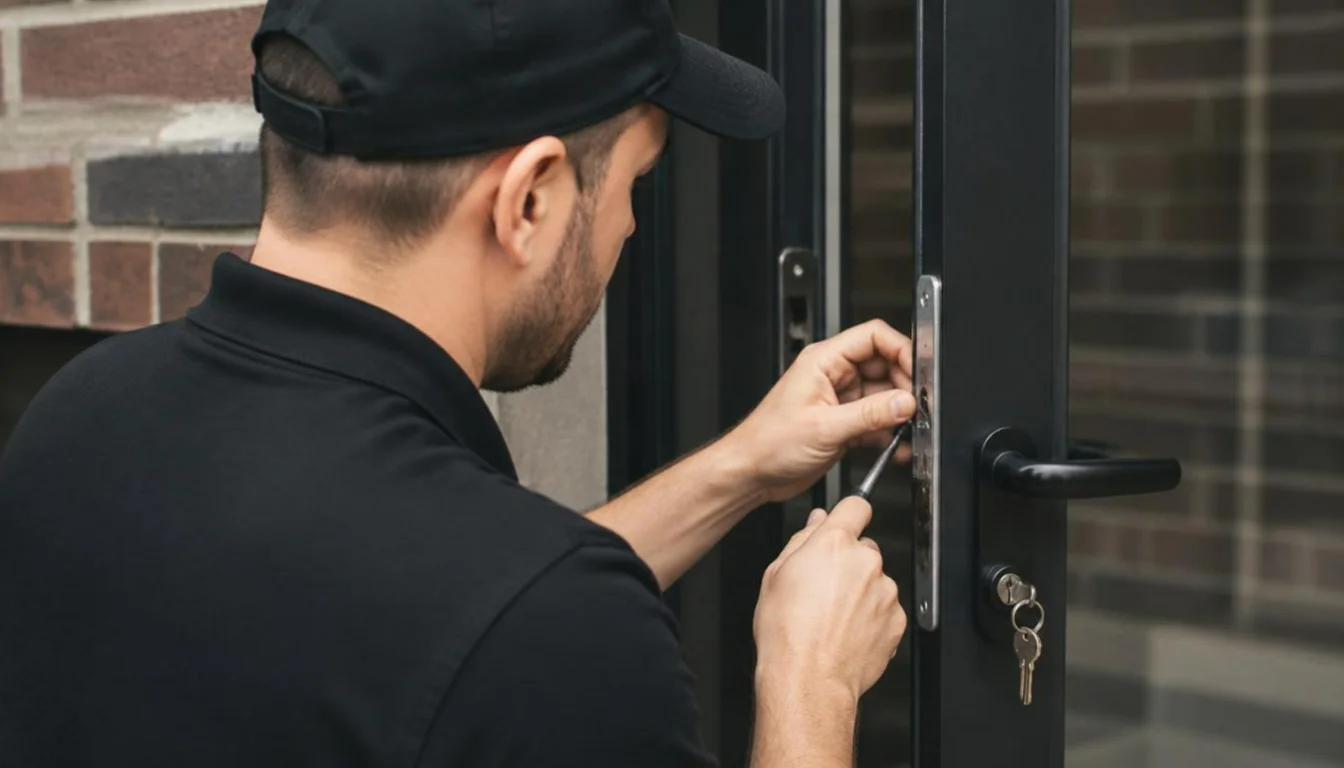
A dependable entry system supports the comfort, safety, and daily routine of every property. When a lock gets hard to turn, won’t latch, or no longer gives you the level of control you need, professional attention can make a real difference. A careful assessment helps determine whether the existing hardware can be restored, adjusted, or upgraded. The right solution should reflect the condition of the door, the frame, the surrounding hardware, and how people use the space every day. Rushing to replace a component without understanding the underlying issue can lead to unnecessary expense—or a problem that comes right back.
Professional technicians bring practical knowledge, the right tools, and a methodical approach to residential, commercial, and vehicle-related access concerns. They can explain the options in plain language, give you a realistic service expectation, and complete the work with respect for your property. You deserve more than a quick fix. You deserve an entry system that operates smoothly, protects authorized access, and stays dependable over time. Good workmanship includes accurate fitting, careful testing, and useful guidance about maintenance. From a single damaged cylinder to a larger access improvement project, a positive service experience begins with listening carefully and ends with confidence that the result is secure, convenient, and suitable for everyday use.
Installing Hardware That Fits the Property
A successful installation begins before the new hardware is placed on the door. The technician should review the door material, thickness, frame condition, hinge alignment, strike area, and current locking arrangement. These details influence the type of product that will perform reliably. A lock that works well on one entry may not be appropriate for a metal commercial door, a wooden residential door, a glass storefront, or an interior office. Matching the equipment to the structure helps improve durability and reduces the likelihood of premature wear.
You may choose from several levels of security and convenience, including deadbolts, lever sets, mortise hardware, keypad systems, electronic cylinders, and other controlled access options. The best choice depends on your property’s daily routine, the number of authorized users, desired appearance, maintenance expectations, and available budget. A professional should explain the practical differences without using pressure or unnecessary technical language. If a traditional mechanical lock meets your needs, an expensive electronic system may not be necessary. If access changes frequently, a more flexible option could provide meaningful value.
Careful installation also protects the door and frame. Hardware should be aligned correctly, fasteners should be secure, and the latch should engage smoothly without excessive force. Once installation is complete, the technician should test the entry from both sides, verify the key or code, and confirm that you understand normal operation. A properly fitted system can make daily access easier while providing a solid foundation for long-term property security.
Repairing Common Lock Problems
A lock can show warning signs long before it stops working completely. A key that sticks, a latch that catches, or a handle that feels loose may indicate wear, misalignment, internal damage, or pressure from a shifting door. Ignoring these signs can make the eventual repair more difficult and may leave residents, employees, or visitors struggling to secure the property. Prompt attention allows a technician to investigate the cause and recommend the most practical remedy.
Common repair work may involve adjusting the strike plate, tightening or replacing fasteners, correcting door alignment, replacing worn internal parts, repairing a cylinder, or servicing a malfunctioning latch. In some cases, the hardware remains in good condition and only needs careful adjustment. In other situations, continued use has caused enough damage that replacement is the safer and more cost-effective option. A professional evaluation helps distinguish between these possibilities.
Repair work should be performed with care for the surrounding surface. Improper tools or excessive force can damage paint, trim, glass, or the door frame, creating additional costs. Skilled technicians work methodically and test the mechanism after each adjustment. They also consider how the lock behaves when the door is fully closed, because a system that works only when the door is open may still have an alignment problem.
You benefit from receiving a clear explanation of what caused the issue and what can be done to reduce future wear. Simple habits, such as avoiding forced keys, keeping hinges properly maintained, and addressing sagging doors early, can support smoother operation and extend the life of the hardware.
Residential Entry Solutions for Homes and Apartments
Residential doors should provide reliable protection without making everyday routines difficult. Homeowners and apartment residents may request help after moving into a new property, losing a key, experiencing a break-in concern, or noticing that an older lock no longer works smoothly. Landlords and property managers may need consistent hardware across several units or an efficient way to update access between tenants. Each situation benefits from a solution that is practical, properly fitted, and easy for authorized residents to use.
A technician can review front doors, side entrances, garages, gates, storage areas, and other points that may require controlled access. Recommendations may include rekeying, stronger deadbolts, improved strike reinforcement, replacement cylinders, or updated handles. The appropriate improvement depends on the structure and your priorities. A family may value a dependable mechanical system, while a rental property owner may prefer a method that simplifies access changes between occupants.
Residential service should also respect privacy and personal space. Before beginning work, the technician should verify authorization and explain the proposed procedure. Protective measures help prevent marks or damage to nearby surfaces, and a final test ensures that the door opens, closes, and locks correctly. You should receive clear instructions about keys, codes, spare access, and maintenance.
A well-maintained entry system contributes to peace of mind every day. It allows residents to leave home confidently, welcome visitors appropriately, and secure the property at night without fighting with unreliable hardware. Professional attention can transform a frustrating door into one that feels dependable and natural to use.
Commercial Hardware for Controlled Access
Commercial properties often need more than a single lock on a single door. Offices, retail locations, warehouses, clinics, schools, and multi-tenant buildings may have different levels of access for employees, managers, contractors, visitors, and service providers. A properly planned system helps organizations protect restricted areas while allowing authorized people to move efficiently through the workplace. It can also make future changes easier when staff roles, tenants, or operating schedules change.
Commercial installation and repair may include heavy-duty cylinders, lever handles, panic hardware, door closers, cabinet locks, keypad entry, and master key arrangements. The selected equipment should match the frequency of use, the door construction, the building’s safety requirements, and the organization’s access policy. Professional advice is valuable because a product that appears suitable may not withstand constant traffic or provide the permissions a business actually needs.
Maintenance is equally important. A door that fails to close completely, a closer that slams, or a latch that does not engage can affect security and create an unpleasant experience for staff and visitors. Regular inspections can identify these concerns before they interrupt operations. When repairs are needed, scheduling them outside busy hours may reduce disruption. A prepared technician should keep the work area organized, communicate clearly, and document any recommendations for later attention.
Businesses also benefit from accurate records. Details about installed hardware, assigned keys, restricted rooms, and completed repairs make future service more efficient. A structured approach supports stronger accountability and helps property managers respond quickly when access requirements change.
Smart Access and Mechanical Reliability
Modern access products can provide convenience for customers who want easier permission management. Keypads, smart locks, electronic entry systems, and programmable cylinders may allow temporary credentials, scheduled access, activity information, or faster updates when a user no longer needs entry. These features can be useful for rental properties, offices, studios, and homes with frequent visitors. However, technology should be selected carefully rather than adopted simply because it is new.
Before installing an electronic product, a technician should consider the existing door, frame, power or battery needs, connectivity, emergency entry, privacy, and maintenance requirements. A digital system cannot compensate for a weak frame or a door that is badly misaligned. It must also remain usable if a battery fails, a code is forgotten, or an internet connection becomes unavailable. Clear instructions and a dependable backup plan are essential parts of a responsible installation.
Mechanical hardware continues to offer strong value because it is familiar, durable, and often simple to maintain. Many properties benefit from combining traditional components with selective electronic features. For example, a business may use controlled entry at its primary entrance while retaining mechanical protection for storage rooms. A homeowner may choose a keypad for a frequently used side door and a conventional deadbolt for another entrance.
The most effective solution is the one that matches your routine and expectations. Professional guidance helps property owners compare durability, control, appearance, cost, and future service before making a decision. When modern convenience is balanced with reliable physical protection, access becomes easier without becoming unnecessarily complicated.
Clear Service From Assessment to Final Testing
You should receive useful information from the first conversation. A helpful representative asks about the type of door, the symptoms, the property, the urgency, and the preferred result. This information helps the technician arrive with suitable tools and likely replacement components. Although an inspection may reveal additional details, discussing the general process in advance gives you a clearer understanding of what to expect.
On site, professionalism means confirming authorization, protecting the work area, explaining the findings, and presenting options fairly. If repair is practical, you should understand its expected benefits and limitations. If replacement is recommended, the technician should explain why and compare the available choices. Clear communication allows you to balance security, durability, convenience, appearance, and cost without feeling pressured.
After the work is finished, every component should be tested under normal conditions. The door should close correctly, the latch should engage, the key or code should operate smoothly, and authorized users should understand the basic procedure. The technician can also provide maintenance advice, warranty details, and information about future service. A clean work area and a clear receipt complete the experience.
Reliable access is the result of careful decisions and skilled execution. By addressing small warning signs early, choosing hardware that fits the property, and working with professionals who value transparency, you can avoid many preventable disruptions. Whether the need involves a home, a business, an apartment, or a specialized entry, quality installation and thoughtful repair create confidence that lasts well beyond the appointment.