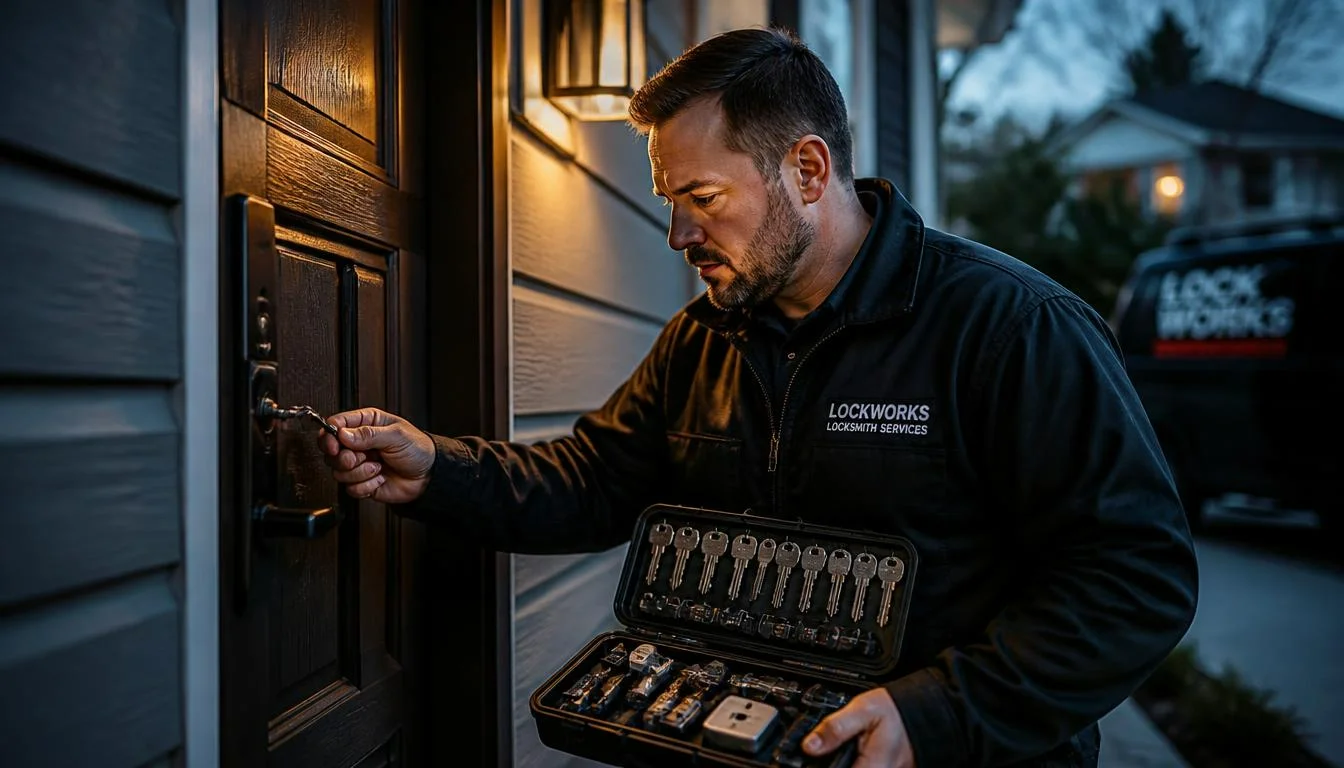
Losing a key can derail an otherwise normal day in seconds. It might happen on your commute, after moving between places, while juggling a busy workplace, or when you’re coming home with bags in both hands and a million things on your mind. Sure, it’s inconvenient—but a calm, organized response can get you back inside and help protect the property. Professional key services are built to assess the situation, verify authorization, and provide the right replacement or access solution without unnecessary delay. The right approach depends on the type of key, the lock or vehicle involved, the condition of the existing hardware, and your security priorities.
A replacement should do more than open a door. It should also give you confidence that unwanted access has been considered. If a house key was lost somewhere identifiable, rekeying the lock may be the smart move. If a vehicle key is missing, you may need a new programmed key—and some advice about the original one. A business may need several replacements along with updated access records. Professional technicians explain these choices clearly and work carefully around doors, frames, vehicles, and electronic components. You benefit from transparent information, respectful service, and practical recommendations that fit your situation. From an urgent request to a planned security update, quality support turns a stressful key problem into a manageable, well-organized solution.
Fast Help for Residential Key Loss
A missing house key can cause immediate concern—especially when you’re standing outside the property or you’re not sure whether someone else could use that key. A professional response starts by confirming the location, the type of entry, and your authorization. Once those details are established, a technician can figure out whether the priority is getting inside, making a new key, changing the lock configuration, or combining a few of these services.
For many homes, rekeying is a practical option. It lets the existing hardware stay in place while changing the internal combination so the old key no longer works. This is useful after a key is lost near the property, after a move, or when a former household member shouldn’t have access anymore. In other situations, the lock may already be worn or damaged, making replacement the better long-term choice. A careful assessment helps you avoid paying for hardware that doesn’t need changing—or keeping equipment that’s no longer dependable.
Residential technicians should work respectfully inside and around your home. They verify authorization, protect nearby surfaces, explain the recommended process, and test the entry before leaving. You may also get practical advice about spare keys, trusted household access, and future maintenance. A replacement key should turn smoothly, fit correctly, and support normal daily routines. With clear communication and careful workmanship, an unsettling moment can become a chance to improve your home’s overall access security.
Vehicle Key Solutions for Drivers
Vehicle keys can be a lot more complex than standard house keys. Many cars use transponder technology, remote controls, smart keys, push-button ignition, or integrated security features. When a key is lost, the right response may involve more than cutting a new blade. The technician may need to identify the vehicle, confirm ownership, determine the required key type, and program the replacement so it talks to the vehicle’s system properly.
Professional automotive service starts with authorization and accurate information. Be ready to provide identification, vehicle details, and any available ownership documentation. This protects the vehicle and ensures the replacement is prepared for the correct make, model, and year. A clear explanation of the options is also important. Depending on the situation, you may choose an original-equipment option, a compatible replacement, or a spare you can stash for future emergencies.
Careful handling protects paint, trim, windows, ignition components, and electronic systems. After the replacement is prepared, the technician should test locking, unlocking, starting, remote functions, and any relevant buttons. If the original key may have been lost in a way that creates a security concern, ask about deleting or reprogramming missing credentials where the vehicle supports that capability.
Drivers can reduce future disruption by keeping a spare in a secure location and checking battery warnings on remote keys. Fleet operators can maintain accurate records for company vehicles and set up a consistent process for when keys go missing. Reliable automotive support helps you get back to your plans without avoidable damage or confusion.
Business Access After a Missing Key
A lost business key can affect more than one employee. It may provide access to an office, storage room, retail floor, warehouse, or sensitive area—creating a need for a prompt, thoughtful response. Business owners and property managers have to consider who may have found the key, which doors it operates, and whether other authorized users need uninterrupted access. A professional review can help determine whether replacement keys, rekeying, hardware changes, or an updated access plan makes the most sense.
If the missing key is part of a master key system, pay particular attention. A technician can examine the access structure and recommend a solution that protects restricted rooms without disrupting every area of the property. Sometimes rekeying only selected doors is enough. Other times, a broader update makes sense—especially when the key was labeled, attached to identifying information, or lost near the building.
Businesses also benefit from accurate records. Key assignments, employee permissions, replacement dates, and rekeying details should be documented so managers can respond efficiently to future changes. The replacement process can be scheduled around opening hours, deliveries, customer activity, or staff shifts to minimize interruption. A prepared technician should keep the work area organized and communicate clearly about the expected timeline.
A missing key is also a chance to review access procedures. Companies may choose to limit duplication, improve key storage, introduce a sign-out process, or consider keypad entry for selected doors. These improvements make future access changes easier while supporting a more accountable workplace.
Rekeying vs. Hardware Replacement
Replacing a missing key doesn’t always mean replacing the entire lock. The right solution depends on whether the existing hardware is still in good shape and whether there’s a concern that the missing key could be used. Rekeying changes the internal operation of a compatible lock, letting you keep the current hardware while making the old key ineffective. This can be efficient for homes, rentals, offices, and other properties with multiple matching locks.
Hardware replacement may be preferable when the lock is worn, damaged, outdated, or poorly suited to the door. A new cylinder, deadbolt, lever, or electronic device may improve both security and daily convenience. The technician should inspect the door and frame before recommending a product, because improper alignment or weak mounting can affect any new installation. You deserve a comparison of repair, rekeying, and replacement based on durability, cost, appearance, and future maintenance.
Modern access products can offer additional flexibility. Keypads and smart locks may allow temporary codes, easier permission changes, or less dependence on physical keys. They also require thoughtful planning around batteries, emergency entry, privacy, and user management. Traditional mechanical systems remain valuable in many settings, and a blended approach may offer the best balance between convenience and reliability.
A professional explanation helps you choose without feeling pressured. The goal is a solution that fits the property and the way it’s used. When the work is complete, every authorized key, code, or credential should be tested and clearly explained so you can manage access with confidence.
Clear Verification and Respectful Service
Key-related appointments require responsible verification. A professional provider should confirm that the person requesting service is authorized to access the home, vehicle, business, or other property. This step protects customers and helps prevent unauthorized entry. It should be handled courteously and explained as part of a standard security procedure—not treated like an inconvenience.
Communication before arrival is equally important. You should get useful information about the service process, expected timing, and factors that may affect the final solution. Because the condition of a lock or electronic system may not be visible during a phone conversation, an on-site inspection can still be necessary. But honest early communication gives you a reasonable understanding of what to expect and supports better decision-making.
At the property, the technician should protect nearby surfaces, use suitable tools, and avoid unnecessary damage. If several options are available, each should be explained in plain language. You may want the fastest access, the strongest security improvement, the lowest immediate cost, or a combination of these priorities. A respectful technician listens to those preferences and provides a practical recommendation.
Before completion, the replacement key or updated system should be tested under normal conditions. You should receive instructions for use, details about any warranty, and advice about keeping future spares secure. A clean work area and clear receipt complete a professional appointment. These details matter because dependable service is measured not only by restoring access, but also by the confidence and understanding you have afterward.
Preventing Future Key Problems
A few simple habits can reduce the disruption caused by another missing key. Homeowners may keep a spare with a trusted person or in a secure location that doesn’t identify the property. Businesses can control duplication, record who receives each key, and use a return procedure when roles change. Drivers can store an emergency spare safely and monitor the condition of remote batteries. These preparations don’t eliminate every risk, but they can make a future problem easier to manage.
A regular access review may also reveal opportunities for improvement. Property owners can consider whether old keys remain in circulation, whether certain doors need different permissions, and whether worn hardware should be repaired before it fails. Managers may review master key records, employee access, and restricted areas. Families can discuss who should be contacted if a key is lost and how quickly rekeying should be arranged when circumstances create concern.
Professional guidance is useful when the best response is unclear. A technician can explain whether rekeying, key duplication, hardware replacement, or electronic access would provide the most practical result. Recommendations should take account of the building, the number of users, the level of urgency, and your budget. There’s no need to choose a complicated system when a straightforward improvement will provide dependable protection.
Lost access can be stressful, but careful support makes the situation manageable. With prompt verification, accurate replacement work, and thoughtful security advice, you can regain entry and move forward with greater confidence. A well-planned solution protects daily routines today while making future access changes simpler, clearer, and more secure.