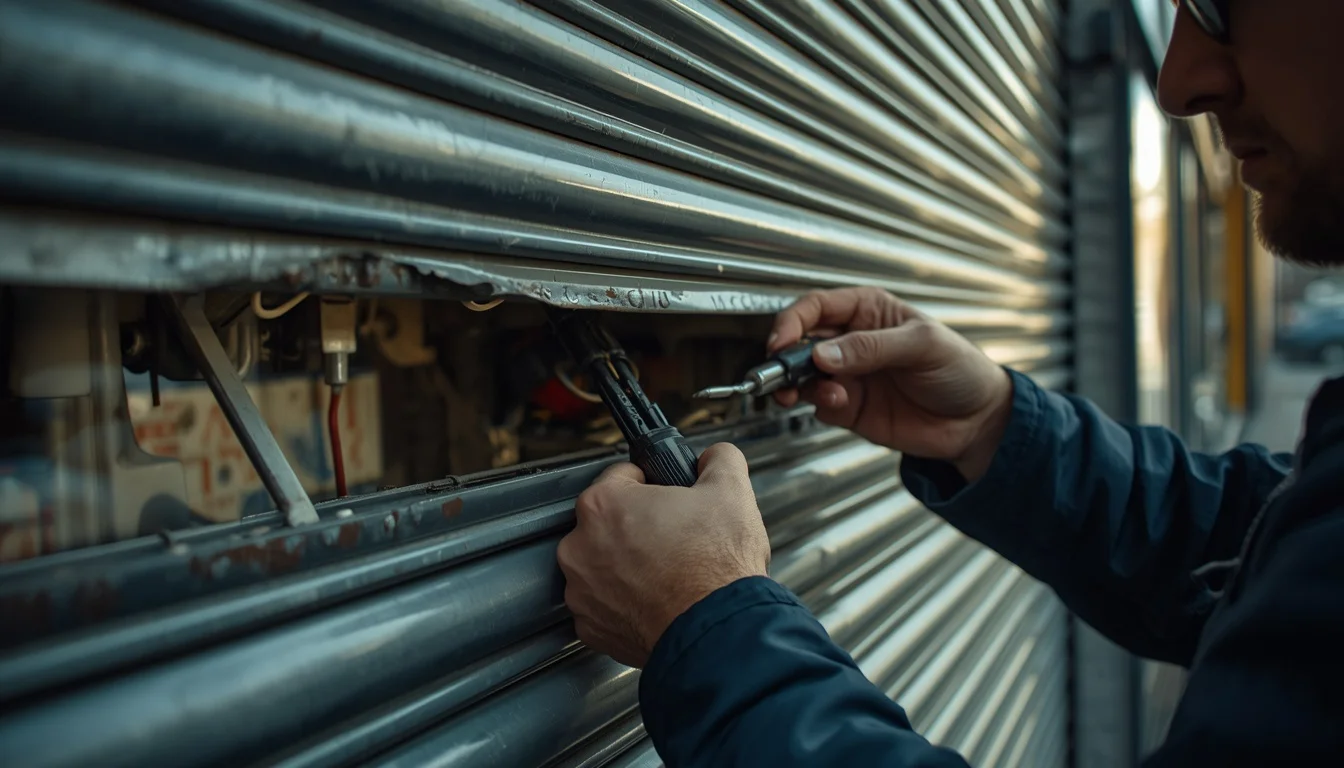
Restoring Protection, Privacy, and Everyday Comfort
Roller shutters provide shade, privacy, insulation, and an additional layer of protection for homes and businesses. When a shutter becomes difficult to raise, refuses to close, makes unusual sounds, or remains stuck halfway, the problem can quickly affect daily routines. Prompt attention helps protect the opening, reduce heat loss or gain, and prevent a small mechanical issue from causing more extensive damage.
A shutter system includes more than the visible curtain. Slats, guides, brackets, the barrel, axle, end plates, locks, springs, straps, motors, controls, and housing all work together. A fault in one component can place extra strain on the others. For example, a damaged guide may cause the curtain to twist, while a worn motor can continue operating against resistance until additional parts are affected.
The first step is an assessment of the complete unit. A professional observes how the shutter moves, listens for unusual noises, checks the alignment, and examines the housing and fixing points. The cause may be mechanical, electrical, structural, or related to dirt and weather exposure. Identifying the source is more effective than simply replacing the most visible component.
Property owners should describe when the problem occurs and whether it followed a storm, impact, power interruption, renovation, or attempted forced entry. Photographs and details about the shutter’s age, material, control method, and previous repairs can help prepare the service visit. A clear diagnosis supports a practical repair and helps determine whether a part should be adjusted, repaired, or replaced.
Common Roller Shutter Problems
Slats can become bent, cracked, displaced, or worn after impact, strong wind, or repeated use. A damaged slat may catch in the guides and prevent the curtain from moving evenly. In some cases, one section can be replaced without changing the entire shutter. The professional checks the profile, color, material, and connection method so the replacement fits correctly.
Guides and side channels help keep the curtain aligned. Dirt, stones, paint, deformation, or loose fixings can create friction and cause the shutter to rub. Cleaning and adjustment may restore smooth travel, but a severely bent guide may need replacement. The surrounding wall or frame should also be checked to ensure that movement is not being restricted by a structural change.
A shutter may stop because the strap, cord, crank, spring, or manual lifting mechanism has worn out. These components are used frequently and can weaken over time. A broken strap can make a shutter difficult to control, while a damaged spring may cause the curtain to feel unusually heavy. Repairs should be completed carefully because stored tension can create a safety risk.
Motorized shutters may experience a failed motor, faulty control, damaged wiring, limit-switch problems, or a remote-control issue. The motor should not be forced when the curtain is obstructed. The technician tests the power supply, control signal, motor response, and mechanical movement separately. This approach helps determine whether the problem is electrical, mechanical, or a combination of both.
Manual and Motorized Systems
Manual shutters are often straightforward to operate when their components are aligned and maintained. A professional may adjust the guides, replace a strap, repair the locking mechanism, lubricate suitable moving parts, or change a damaged axle component. The curtain should move with consistent resistance and remain stable when fully open or closed.
Motorized systems offer convenience and can be integrated with wall switches, timers, sensors, or home automation. They require suitable programming and correct limit settings so the motor stops at the intended positions. If the upper or lower limit is incorrect, the curtain may overrun, remain partially open, or place unnecessary pressure on the slats and barrel.
Power interruptions can leave an electric shutter in an inconvenient position. Some systems include a manual override or emergency release, while others require a specific procedure. The homeowner should know how the backup function works before an urgent situation occurs. If the override is difficult to operate, a technician can inspect and explain the mechanism.
Remote controls and smart features should be tested as part of the complete system. Batteries, receivers, pairing, wiring, and control settings may all influence operation. A new motor is not always necessary when the issue is limited to a control device or programming error. A detailed diagnosis can prevent unnecessary replacement and reduce the total cost of the service.
Repair Process and Safety Considerations
The repair begins by securing the work area and preventing accidental movement. For motorized shutters, power may need to be isolated before covers are removed or wiring is inspected. The technician checks whether the curtain is under tension and uses appropriate support when accessing the housing, barrel, or guide system. Safety is particularly important when the shutter is large, heavy, or installed above a doorway.
Damaged components are removed without disturbing parts that remain sound. The guide channels, fixing points, barrel, axle, curtain, and housing are inspected before new parts are installed. If the shutter has suffered impact, the frame and surrounding wall should be checked for movement or distortion. A replacement component cannot work correctly if the structure supporting it is unstable.
After the repair, the shutter is operated through its full range. The technician checks that the curtain rolls evenly, remains inside the guides, stops at the correct positions, and does not scrape against the housing or frame. Locks, handles, straps, switches, remote controls, and safety features are tested according to the type of system.
The work area should be cleaned after completion, and the homeowner should receive practical guidance. Avoid forcing the shutter if resistance returns, keep the guides clear, and contact a professional when unusual sounds or uneven movement appear. Understanding the system helps prevent a repaired unit from being damaged by incorrect use.
Improving Insulation and Security
A properly operating shutter can help manage sunlight and indoor temperature. Closed shutters may reduce direct solar heat during warm weather, while the space between the curtain and window can add an extra barrier in colder conditions. The overall benefit depends on the shutter design, window quality, seals, and how consistently the system is used.
Gaps, damaged slats, loose guides, and poorly fitted housing can reduce performance. During a repair, the professional can identify areas where air, light, or moisture is entering around the opening. Replacing worn seals or improving the alignment may support better comfort and reduce drafts without requiring a complete replacement.
Security also depends on the condition of the locking points and the strength of the curtain and guides. A shutter that stops short, lifts unexpectedly, or has damaged locks may provide less protection than intended. The technician can inspect the locking system and explain whether reinforcement, replacement parts, or a different operating method would be appropriate.
Appearance matters as well. A repaired shutter should complement the facade and maintain a clean, consistent line across the opening. Matching slats, covers, guides, and finishes help preserve the visual quality of the property. For commercial premises, reliable shutters can also support a professional appearance and reduce disruption at opening and closing times.
Choosing a Reliable Repair Professional
Look for a technician with experience in the type of shutter installed at the property. Residential rolling shutters, commercial security shutters, insulated systems, garage doors, and automated screens may use different components and repair methods. Ask whether the professional works with manual and motorized units and whether suitable replacement parts can be sourced.
The estimate should describe the inspection, labor, parts, access equipment, electrical testing, disposal, and warranty information. If the unit is old or several components show wear, ask whether repair or replacement provides better long-term value. A clear explanation helps the property owner make a decision based on condition rather than pressure.
A dependable professional arrives prepared, protects windows and surrounding finishes, communicates about timing, and tests the complete system before leaving. References, insurance, relevant qualifications, and product knowledge provide additional reassurance. Be cautious of anyone who recommends replacing the entire unit without explaining the fault, the condition of existing parts, and the available alternatives.
Professional shutter servicing can restore smooth movement, improve privacy, support energy performance, and strengthen the protection of a property. By identifying the true cause, servicing the complete mechanism, replacing compatible parts, and testing manual or motorized controls, an experienced professional can provide a durable result. Regular cleaning, careful operation, and prompt attention to early warning signs help keep the system reliable for years.