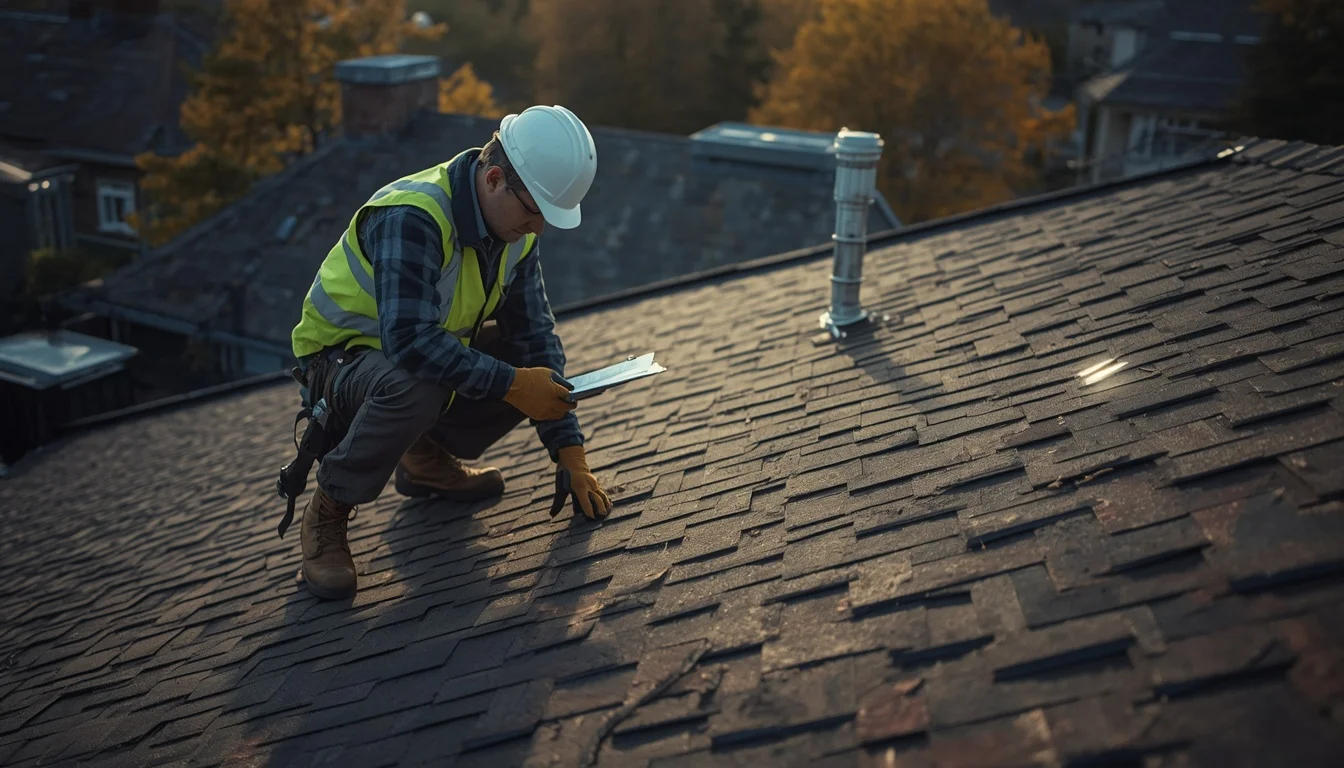
Understanding the Value of a Professional Review
A roof protects nearly every part of a property, yet many problems remain hidden until they become expensive. A professional inspection provides an opportunity to understand the condition of the roofing system before a minor concern develops into interior damage, structural deterioration, or an urgent repair. It is a practical step for homeowners, buyers, sellers, landlords, and property managers who want reliable information about the building.
An inspection is more than a quick look at the shingles from the ground. The professional reviews the roof covering, flashing, drainage, ventilation, roof deck where accessible, and areas around chimneys, skylights, vents, and other penetrations. The attic may also be examined for signs of moisture, poor airflow, insulation concerns, or daylight entering through unexpected openings. Each observation helps create a clearer picture of the roof’s overall performance.
Timing matters. An inspection can be useful after severe wind, hail, heavy rain, falling branches, or other unusual weather. It is also valuable before purchasing a property, before listing a home, or when the roof is approaching the expected service age of its material. Regular reviews help identify gradual wear that may not be visible from inside the living space.
A good inspection does not automatically mean that replacement is necessary. In many cases, the professional may recommend maintenance, localized repairs, improved ventilation, or monitoring. Clear findings allow the property owner to prioritize work according to urgency and budget. The goal is to make a confident decision based on evidence rather than guesswork.
What the Inspector Examines
The roof covering is one of the first areas reviewed. For shingle roofs, the inspector looks for missing, cracked, curled, blistered, or loose shingles. On metal roofs, attention is given to corrosion, loose fasteners, open seams, damaged coatings, and movement around penetrations. Tile, slate, and other materials require their own assessment methods because cracks, displacement, and surface wear can present different risks.
Flashing is examined around chimneys, walls, skylights, valleys, vents, and roof edges. These transitions are common points for water entry when materials are damaged or installed incorrectly. Sealants may deteriorate over time, and older flashing can become less effective as the roof and building move. A professional checks whether water is being directed away from vulnerable joints.
Drainage is another important part of the review. Gutters, downspouts, drains, and roof slopes must work together to move water away from the structure. Blocked gutters can cause overflow against siding, fascia, or foundations. Standing water on a low-slope area may indicate a drainage problem, insufficient slope, or a surface issue that should be addressed before it leads to deterioration.
The inspector may also review roof edges, soffits, fascia, vents, and visible portions of the roof deck. These components support the roofing system and influence how it handles wind and moisture. Loose trim, damaged wood, gaps, and animal activity can affect performance. Observing the entire system is more useful than focusing on a single damaged area.
Interior and Attic Clues
Interior signs can provide valuable information about exterior conditions. Water stains on ceilings or walls, peeling paint, damp insulation, musty odors, and discolored wood may indicate moisture intrusion. These signs do not always appear directly below the original entry point because water can travel along framing, insulation, or other building materials before becoming visible.
The attic often reveals concerns that cannot be seen from the roof surface. The inspector checks for wet insulation, mold-like growth, rusted fasteners, damaged decking, and areas where outside light enters. Some openings are part of the intended ventilation system, while others may indicate a gap or failure that requires attention. Documentation helps distinguish normal features from potential problems.
Ventilation and insulation are considered together. Intake vents should allow air to enter while exhaust vents release heat and moisture. If insulation blocks the intended airflow, the attic may become excessively hot or humid. Inadequate ventilation can shorten the service life of roofing materials and contribute to condensation during colder seasons.
Homeowners should share any observations before the inspection. Mention recurring leaks, stains that appear after certain storms, unusual drafts, attic odors, or rooms that become especially hot. These details help the inspector focus on areas that may require additional attention. A conversation about the property’s history can be just as useful as a visual review.
Inspection After Storms and Severe Weather
Severe weather can damage a roof even when the effects are not immediately obvious. Strong wind may loosen or shift materials, while hail can create dents, cracks, or granule loss. Fallen branches can puncture the covering or damage flashing. Heavy rain may reveal weak areas, but a leak may not become visible inside until later.
After a storm, avoid climbing onto the roof unless you have the correct training and safety equipment. Damaged surfaces may be slippery or unstable, and hidden electrical or structural hazards can be present. A professional can assess the property from safe locations and determine whether a closer review or temporary protection is required.
Photographs can be useful for documenting visible damage from the ground. Note the date of the storm, the direction of strong wind, fallen branches, interior stains, and any changes noticed afterward. Do not disturb damaged materials unnecessarily before the condition has been documented. If emergency covering is needed, ask the contractor how it will be installed and what follow-up work is recommended.
Insurance-related inspections may require clear documentation. Ask the roofing professional whether the report will include photographs, descriptions, measurements, and an explanation of observed damage. Insurance policies and claim procedures vary, so property owners should review their own requirements and communicate with the carrier. A detailed inspection provides helpful information, but it does not guarantee claim approval.
Reports, Repairs, and Maintenance Planning
A useful inspection report should be easy to understand. It may identify the condition of the roof, observed defects, areas that need monitoring, recommended repairs, and the expected priority of each item. Photographs and explanations help property owners understand what was found. If technical terms are used, the contractor should explain them in practical language.
Recommendations should be separated by urgency. An open penetration, active leak, or unsafe structural condition may require prompt attention. Cosmetic wear or minor surface deterioration may be monitored or addressed during routine maintenance. This distinction helps homeowners manage expenses and avoid treating every observation as an emergency.
The report can also support a maintenance schedule. Cleaning gutters, trimming branches, replacing worn sealant, improving ventilation, and checking flashing may extend the useful life of the roof. Maintenance does not eliminate the need for eventual replacement, but it can reduce preventable damage and help the system perform more consistently.
When repairs are recommended, request a written estimate describing the materials, labor, preparation, cleanup, warranty, and expected timeline. A repair should address the source of the problem rather than cover only the visible symptom. Comparing the proposed solution with the inspection findings helps confirm that the work is appropriate and complete.
Choosing a Qualified Inspection Professional
The person performing the inspection should have relevant roofing experience and understand the materials installed on the property. Ask whether the review will include the roof surface, attic, drainage, flashing, ventilation, and visible structural components. A thorough scope gives the property owner a better understanding of what the inspection does and does not cover.
Look for clear communication, appropriate licensing or credentials where required, insurance, and references from comparable projects. A reliable professional should be willing to explain findings without using unnecessary pressure. Be cautious of anyone who claims that every roof needs immediate replacement without providing photographs, details, or a reasoned explanation.
The cost of an inspection can depend on the property size, roof design, accessibility, location, and requested documentation. Before scheduling, ask what is included, whether a written report will be provided, and whether repair recommendations are separate from the inspection fee. Transparent pricing makes it easier to compare services and plan the next step.
A professional roof review gives property owners useful knowledge about protection, maintenance, and future planning. By reviewing the exterior system, interior clues, drainage, ventilation, and storm-related concerns, a qualified professional can identify priorities before they become more serious. With a clear report and a thoughtful maintenance plan, homeowners can protect their investment, improve comfort, and approach future roofing decisions with greater confidence.