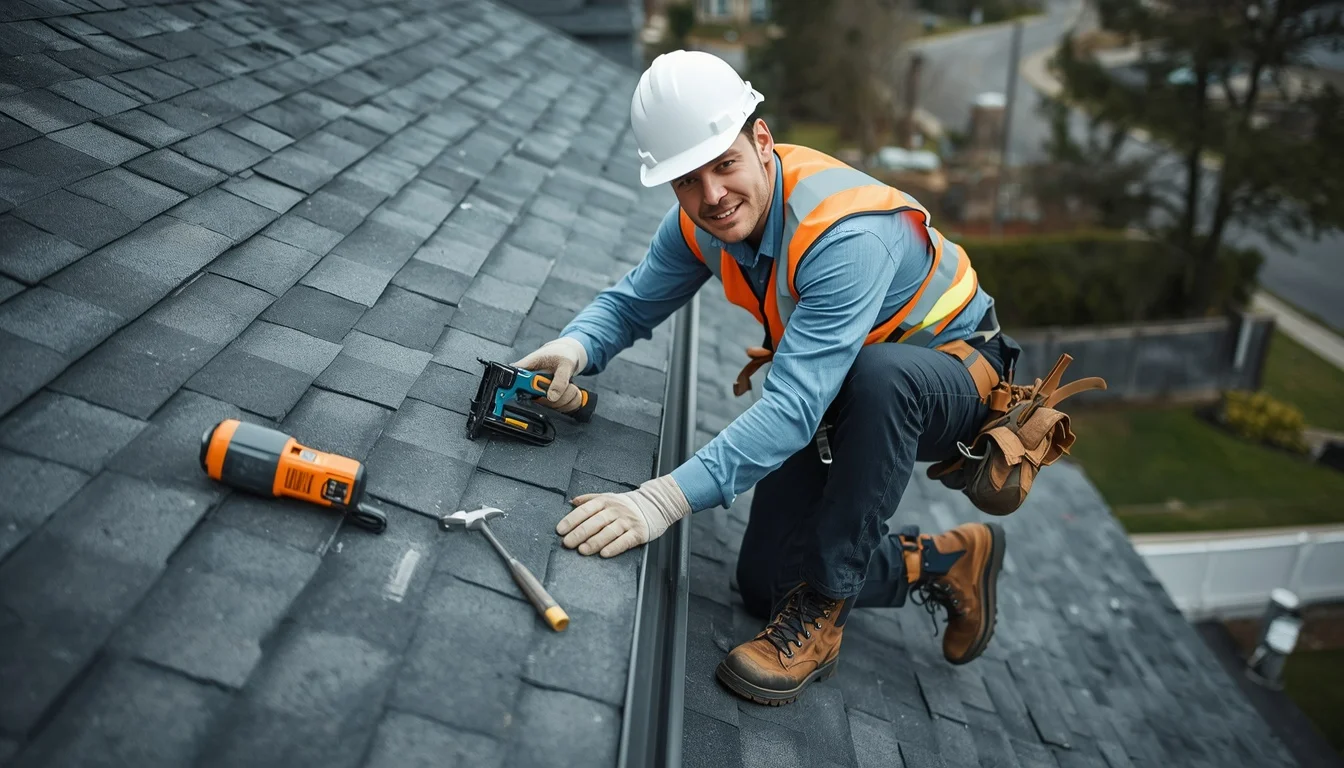
A roof is far more than a simple shelter; it is an intricate system of structural engineering, material science, and precise installation that protects a property from the elements. When a property owner entrusts this critical asset to a professional, they are investing in a legacy of safety and durability. The modern approach to exterior protection has evolved into a sophisticated discipline where technical mastery meets architectural integrity. A top-tier professional does not merely cover a building; they engineer a comprehensive envelope that optimizes energy efficiency and structural resilience. By understanding the nuanced interplay between ventilation, load-bearing dynamics, and advanced material technologies, a true expert transforms a vulnerable surface into a fortress of enduring performance.
The Science of Structural Load and Material Integrity
The foundation of any robust roofing system lies in its ability to manage physical forces, beginning with the structural deck and extending to the outermost layer. A proficient specialist evaluates the dead load—the weight of the materials themselves—alongside environmental loads such as snow, wind, and seismic activity to ensure the framing can withstand decades of stress . This analytical approach extends to the selection of materials, where the distinction between asphalt shingles, metal panels, and synthetic membranes dictates not only the aesthetic but the structural demands placed upon the building. For instance, the transition from traditional three-tab shingles to heavier architectural or dimensional shingles requires a precise calculation of nail pull-through resistance and wind uplift ratings to prevent catastrophic failure during severe weather events . Furthermore, the integration of advanced underlayments acts as a critical secondary barrier, utilizing synthetic polymers rather than organic felts to resist tearing and moisture infiltration during the installation phase and throughout the life of the structure . By prioritizing the chemical and physical properties of every component, from the fastener metallurgy to the adhesive chemistry of the ice and water shield, a dedicated professional ensures that the finished assembly functions as a unified, high-performance composite rather than a collection of disparate parts.
Optimizing Thermal Dynamics and Ventilation Systems
A common misconception is that insulation alone dictates a building’s thermal efficiency; however, the technical reality hinges on the delicate balance of the roof assembly’s ventilation. Without proper airflow, trapped moisture from interior living spaces can condense within the cold deck, leading to insidious structural decay, compromised insulation R-values, and the degradation of roofing materials . A skilled technician designs a ventilation strategy that adheres to strict building science ratios, typically utilizing a 1:150 or 1:300 balance of intake and exhaust ventilation to maintain a continuous convection current . This dynamic system not only prevents the formation of ice dams in winter climates by keeping the roof deck uniformly cold but also extends the lifespan of the covering material by dissipating ambient heat in warmer months. The integration of ridge vents, soffit intakes, and smart vapor retarders is a hallmark of technical proficiency, ensuring that the building envelope breathes effectively while maintaining a sealed barrier against the external environment. This holistic approach to thermal management underscores the difference between a cosmetic repair and a permanent, energy-conscious solution that protects both the structure and the owner’s investment.
Advanced Waterproofing and Membrane Technologies
In the realm of low-slope and flat commercial applications, the technical sophistication of waterproofing separates functional spaces from those plagued by chronic leaks. The industry has witnessed a paradigm shift toward thermoplastic single-ply membranes, such as TPO and PVC, which utilize heat-welded seams to create a monolithic, watertight bond that is often stronger than the membrane itself . These materials are specifically engineered for reflectivity, mitigating the urban heat island effect and reducing cooling costs by deflecting solar radiation that would otherwise transfer into the building . Unlike traditional adhesive systems, the hot-air welding process fuses the polymer chains at the molecular level, eliminating the vulnerabilities associated with seam failure. Furthermore, the evolution of modified bitumen systems incorporates polymers like SBS or APP to enhance elasticity and UV resistance, allowing the membrane to accommodate structural movement without cracking . A technical expert must possess a deep understanding of these chemical compatibilities to select the appropriate system for a specific building’s geometry and exposure, ensuring that every splice, flashing, and termination is executed with precision to withstand ponding water and thermal cycling over a multi-decade service life.
Precision Installation and Diagnostic Verification
The theoretical superiority of modern materials is rendered moot without the rigorous application of installation protocols and diagnostic verification. A meticulous professional approaches the project as a forensic exercise, utilizing moisture meters and infrared imaging to diagnose hidden deficiencies in the existing deck before the first shingle is ever laid . This investigative phase is crucial for identifying compromised sheathing or inadequate flashing details that could undermine the new installation. During the application process, adherence to manufacturer specifications regarding fastener placement—such as the precise number of nails per shingle and their placement within the designated nail line—is non-negotiable for maintaining warranty validity and wind resistance . Moreover, the integration of specialized flashing techniques for valleys, chimneys, and skylights requires a craftsman’s touch, utilizing step flashing and counter-flashing to create a mechanical, gravity-fed water diversion system rather than relying solely on sealants. By combining rigorous project management with a quality assurance checklist that includes photographic documentation of every critical detail, the professional ensures that the transition from the substrate to the finished surface is seamless, providing the property owner with verifiable proof of a job executed to the highest technical standards.
Comprehensive Asset Management and Longevity Planning
Beyond the immediate installation, the most valuable technical service a professional provides is the implementation of a proactive asset management strategy. A roof is a depreciating asset that requires scheduled maintenance to preserve its integrity against the relentless effects of UV degradation, thermal shock, and biological growth. A forward-thinking contractor offers detailed condition assessments and preventative maintenance programs that address minor sealant failures or drainage blockages before they escalate into structural emergencies . This lifecycle approach includes the strategic application of reflective coatings to extend the service life of existing membranes and the use of drone technology for safe, high-resolution aerial inspections of complex geometries . By maintaining a detailed digital history of the roof’s condition, including moisture readings and repair logs, the professional empowers the owner with actionable data for capital planning. This consultative relationship transforms the contractor from a transient service provider into a long-term steward of the building’s envelope, ensuring that the roof continues to perform its primary function of protection with unwavering reliability for decades to come.