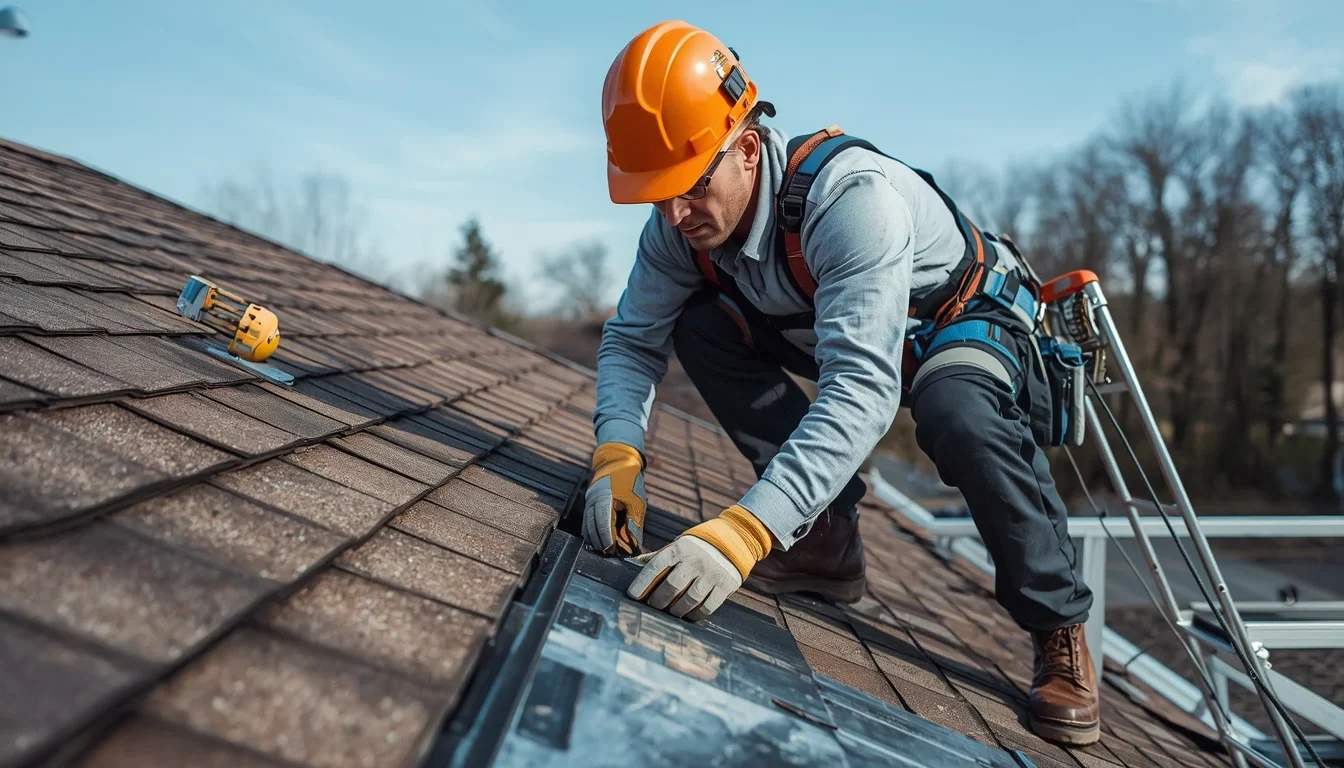
When evaluating the outer shell of a structure, engineers and architects prioritize longevity over initial cost. The question of what are the most durable roofing materials hinges on a material’s resistance to thermal cycling, ultraviolet degradation, and impact fatigue. While asphalt remains ubiquitous, high-performance alternatives offer service lives measured in decades rather than years. This analysis explores the technical specifications of slate, metal, clay, and concrete systems, focusing on the metallurgical and structural properties that dictate their performance in severe environments.
The Geological Resilience of Natural Slate
Natural slate stands as the benchmark for permanence in steep-slope roofing. Its durability is not a manufactured trait but a geological one; it is a foliated metamorphic rock that splits into thin, strong sheets. According to preservation guidelines, properly installed slate requires minimal upkeep and can last between 60 and 125 years, with certain varieties exceeding a century without failure . The National Slate Association notes that a high-quality system averages roughly 75 years, though the specific mineral composition dictates the ultimate limit . Unlike composite products that degrade under UV exposure, stone does not fade or become brittle. Technically, the failure point is rarely the stone itself but rather the fasteners or flashing. To maximize the lifespan of a slate assembly, installers must use copper or high-grade metal flashings, as the roof will likely outlive standard galvanized components . For historic or high-end residential projects, this material offers unmatched fire resistance and thermal stability, though its heavy weight necessitates a reinforced structural frame.
Metallurgical Advancements in Metal Roofing
Metal roofing systems have evolved significantly beyond simple corrugated iron. Modern durability is a function of substrate selection and coating technology. While a standard metal roof lasts 40 to 70 years, the specific alloy and protective layers determine whether it reaches the lower or upper end of that spectrum . Galvanized steel relies on a zinc coating for sacrificial protection, but for residential applications, the thickness of this layer is critical; G100 designation offers significantly more zinc than G60, correlating directly with corrosion resistance . However, the industry standard for premium longevity is Galvalume, an aluminum-zinc alloy coating that field testing shows is two to four times more durable than standard galvanized panels . Furthermore, the paint system is not merely aesthetic; it is a barrier against acid rain and UV. Kynar 500 (PVDF) coatings resist fading and chalking far better than standard polyester or SMP coatings, preserving the substrate and extending the service life . For coastal environments, aluminum or copper panels are preferred for their innate corrosion resistance, while zinc panels offer self-healing properties for small scratches .
Fired Clay and the Chemistry of Terracotta
Clay tile roofing utilizes the irreversible chemical changes that occur during kiln firing to create a surface that is impervious to rot and pests. The technical advantage of clay lies in its thermal mass and dimensional stability. While standard estimates place the lifespan of clay tiles between 50 and 100 years, industry data suggests that many installations outlast the buildings they protect . In severe climates, the material’s resistance to freeze-thaw cycles is paramount; a properly fired tile absorbs very little moisture, preventing the spalling that plagues inferior masonry products. However, the material is brittle under point-load impact, such as heavy hail or falling branches, which can crack the tiles . Technically, the integrity of a clay roof depends on the underlayment and flashing as much as the tiles themselves; while the surface may shed water for a century, the concealed waterproofing membrane beneath it has a shorter service life and must be designed for accessibility. This system is ideal for warm, coastal, or Mediterranean climates where the aesthetic and thermal benefits align with the environmental demands .
Concrete Tiles and Composite Engineering
Concrete roof tiles offer a robust alternative to clay, often providing superior impact resistance at a lower cost point. Technically, these tiles are manufactured from a dense mixture of cement, sand, and water, often reinforced with fibers to prevent cracking during curing and transport. The Tile Roofing Industry Alliance indicates that concrete tiles can reasonably be expected to outlast the building, with manufacturers offering warranties of 50 years or more . The density of concrete provides excellent sound insulation and fire resistance, though it also contributes to significant structural weight, requiring careful load calculations during design . Unlike clay, which can shatter, concrete tends to absorb impact energy more effectively, making it suitable for hail-prone regions. However, the porous nature of concrete requires a sealant to prevent moisture absorption, which can lead to efflorescence or freeze-thaw damage if left untreated. When engineered with modern sealers and installed over high-temperature underlayments, these systems provide a highly durable, low-maintenance barrier that balances cost with longevity.
System-Level Factors: Installation and Maintenance
The technical durability of any material is finite without precise installation and a maintenance protocol. A slate roof installed with inadequate ventilation will suffer from premature deterioration of the decking, regardless of the stone’s quality. Similarly, metal panels rely on proper isolation from dissimilar metals to prevent galvanic corrosion. The most critical technical detail often overlooked is the roof slope; materials like slate and clay require steep pitches to shed water rapidly, while low-slope systems rely on continuous membranes like TPO or EPDM, which have shorter lifespans (20–30 years) . Furthermore, the fasteners must match the material’s lifespan. Using electro-galvanized nails in a copper or slate roof creates a weak link that will fail decades before the surface material. Ultimately, the most durable system is a composite assembly where the stone, metal, or tile is paired with compatible flashings, high-temperature underlayments, and a structural framework designed to handle the specific dead load and wind uplift requirements of the chosen material