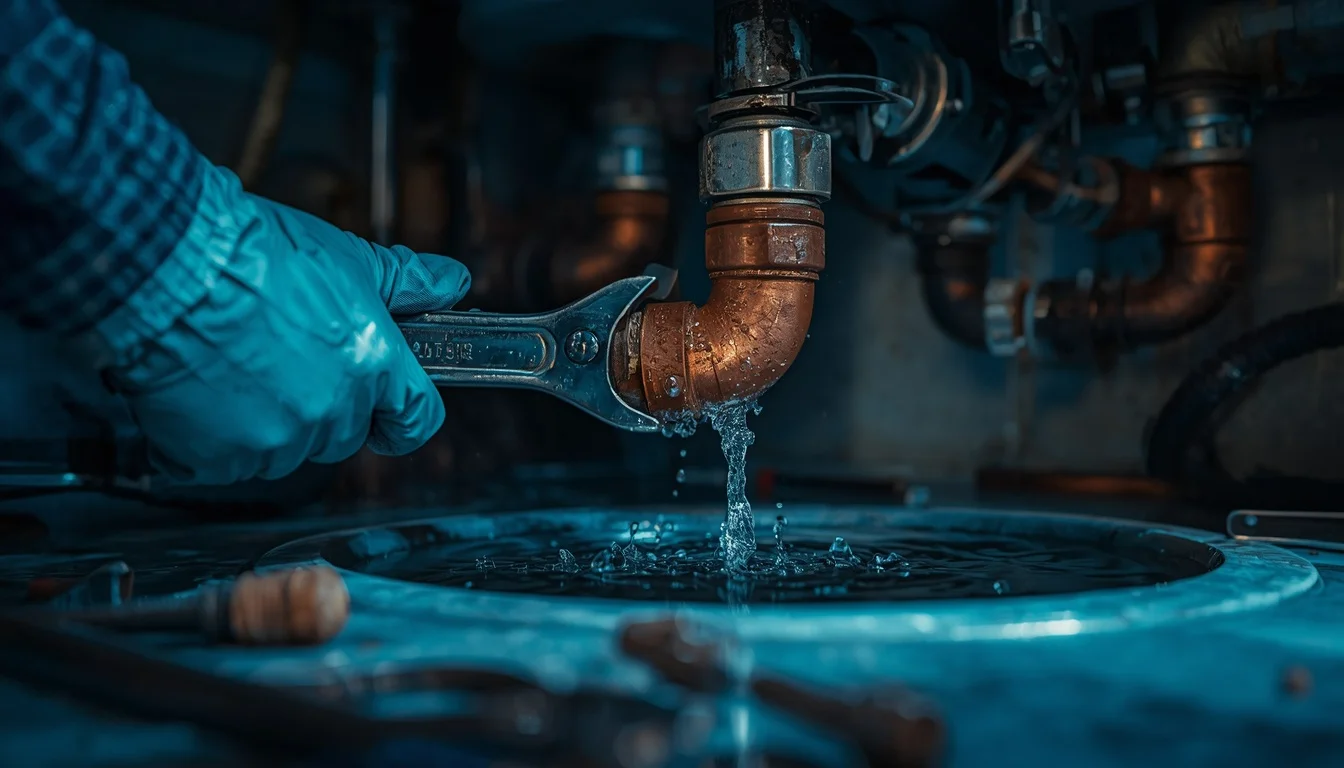
Responding to Plumbing Leaks with Confidence
A water leak can begin as a small drip and develop into a serious problem when it is ignored. Moisture may damage cabinets, flooring, walls, ceilings, insulation, and structural materials. Hidden leaks can also encourage mold growth, increase water bills, and reduce confidence in the plumbing system. Prompt attention gives property owners an opportunity to limit damage and restore reliable performance before the issue becomes more disruptive.
The first step is to identify where water is appearing and whether the visible location matches the source. Water can travel along pipes, framing, floors, and wall cavities before it becomes noticeable. A stain below a bathroom may be connected to a supply line, drain, shower seal, roof penetration, or appliance rather than the ceiling directly above it. A professional diagnosis prevents repairs that address only the symptom.
Homeowners should note when the leak occurs. A constant drip may indicate a pressurized supply line, while moisture that appears only when a fixture is used could be connected to a drain or seal. Changes after rain, temperature drops, or appliance cycles provide useful clues. If safe to do so, take photographs and record the affected area before cleaning or opening surfaces.
When water is actively flowing, shut off the nearest fixture valve or the main supply if necessary. Keep electrical equipment away from standing water and avoid entering areas where the ceiling or flooring may be unstable. A plumber can assess the situation, locate the source, protect the property, and recommend the most appropriate next step.
Finding the Source of the Problem
Visible pipes, fittings, faucets, toilets, washing machines, water heaters, and appliances are common sources of leaks. Connections can loosen over time, seals may deteriorate, and flexible hoses can become worn. Mineral buildup and corrosion can also affect valves and joints. The plumber checks these accessible components before investigating areas behind walls or beneath floors.
Drain leaks often appear when a sink, shower, bathtub, or appliance discharges water. A slow drain, recurring odor, damp cabinet base, or stain on the floor below may point to a problem with the trap, waste pipe, seal, or connection. Testing fixtures individually helps determine whether the issue is related to supply pressure or drainage.
Toilets require attention to the tank, supply connection, flush valve, fill valve, bowl seal, and floor connection. A toilet that rocks, runs continuously, or leaves moisture around the base should be inspected. Replacing a small internal component may be enough, but a damaged flange or failed seal can require more extensive work to protect the surrounding floor.
Leaks can also originate outdoors or below ground. Irrigation lines, exterior hose connections, underground supply pipes, and foundation penetrations may introduce water into a property. Unusually high water use, wet patches in the yard, low pressure, or a sound of running water when all fixtures are off may justify a broader investigation.
Repairing Supply Lines and Fixtures
Supply-line repairs begin with shutting off water and relieving pressure in the affected section. The plumber removes damaged fittings or sections of pipe, prepares clean connection points, and installs compatible replacement components. Materials may include copper, PEX, PVC, CPVC, braided connectors, valves, or other approved products depending on the location and existing system.
Connections must be supported and routed correctly. A pipe that is forced into position or left under stress may fail again. Flexible hoses should not be sharply bent, twisted, or pressed against rough surfaces. Shutoff valves should remain accessible so future maintenance can be completed without turning off water to the entire property.
Fixture leaks may involve cartridges, washers, O-rings, supply connectors, drain assemblies, or mounting seals. Repair or replacement depends on the age of the fixture, availability of parts, condition of the surrounding components, and expected long-term value. A professional can explain whether a small repair is sensible or whether a new fixture would provide more dependable performance.
Water heaters require special caution because they combine water, heat, pressure, and electrical or fuel connections. Leaks around the tank, relief valve, supply lines, or drain valve should be evaluated promptly. Do not attempt to dismantle a water heater without suitable training. A qualified plumber can determine whether the unit needs a component replacement, a connection repair, or a broader safety assessment.
Addressing Hidden Moisture and Property Damage
Once a leak is stopped, the affected materials still need to be evaluated. Wet drywall, insulation, flooring, cabinet bases, and timber may continue to deteriorate even after the visible water is gone. The area should be dried and monitored. Depending on the extent of exposure, a restoration specialist may be needed to assess moisture levels and prevent secondary damage.
A professional can document the source, repair, and visible effects with photographs and notes. This information may be useful for property records, maintenance planning, or communication with an insurance provider. Coverage depends on the policy and the circumstances, so homeowners should review their terms and contact the insurer when appropriate.
Leaks inside walls or ceilings can create hidden problems. Stains may return after painting if the cavity remains damp, while persistent odor may indicate moisture that was not fully removed. Opening a surface should be done carefully and only when necessary, with attention to electrical wiring, structural elements, and the possibility of additional water paths.
The repair should include an investigation of why the failure occurred. Replacing a pipe without correcting movement, corrosion, freezing exposure, excessive pressure, or poor support may lead to another leak. The plumber can recommend insulation, pressure regulation, improved fastening, seal replacement, or access changes that make the system more dependable.
Prevention and Ongoing Maintenance
Regularly checking visible plumbing can help identify problems early. Look beneath sinks, around toilets, near washing machines, beside water heaters, and at exposed valves. Watch for drops, discoloration, corrosion, swelling, mineral deposits, or damp odors. Small observations can justify a service call before a minor issue affects cabinets, floors, or walls.
Flexible supply hoses and appliance connections should be inspected according to the manufacturer’s guidance. Washing machine hoses are exposed to pressure and movement, while refrigerator water lines can be disturbed during cleaning or relocation. Do not place heavy items against connections or store belongings where they could hide a slow drip.
Cold-weather protection is important in areas that experience freezing temperatures. Pipes in unheated spaces may need insulation, and outdoor lines should be shut off and drained when appropriate. During an extended absence, maintain a safe indoor temperature and consider turning off the main supply if recommended. Knowing the location of the main shutoff can reduce response time during an emergency.
Water pressure should remain within a suitable range. Excessive pressure can stress valves, fixtures, and joints, while very low pressure may indicate a restriction or supply issue. A plumber can test pressure, inspect regulators, and advise whether adjustments are appropriate. Preventive maintenance helps protect the plumbing system and makes future problems easier to manage.
Choosing a Reliable Plumbing Professional
Look for a plumber with experience diagnosing both visible and concealed leaks. Ask whether the service includes source detection, isolation, repair, testing, and advice about related property damage. A professional should explain what can be confirmed immediately and what may require additional access or specialist assessment.
The estimate should identify labor, replacement materials, access work, testing, cleanup, and any recommended restoration. If the source is uncertain, ask how diagnostic time is charged and how additional work will be approved. Clear communication helps the property owner make decisions without unnecessary pressure.
Qualifications, insurance, references, and local requirements provide useful reassurance. A dependable plumber arrives prepared, protects nearby surfaces, keeps the work area orderly, and explains the completed repair. They should also identify any maintenance issue discovered during the visit without exaggerating the need for unrelated upgrades.
Professional leak services can protect a property from moisture damage while restoring the safety and efficiency of its plumbing system. By responding quickly, locating the true source, replacing damaged components correctly, drying affected areas, and addressing the cause of the failure, property owners can achieve a more dependable result. Working with an experienced professional turns an unexpected leak into a manageable repair and a useful opportunity to improve long-term maintenance.